

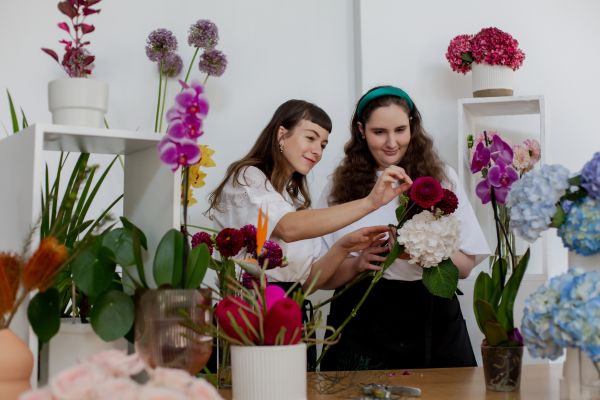
Flowers have a quiet way of setting the mood at a wedding before anyone says a word. They soften a ceremony space, bring color to the tables, frame photographs, and often carry personal meaning that only the couple fully understands. A handful of roses might echo a grandmother’s garden. Wild greenery may reflect a love of the outdoors. A single bloom tucked into a boutonniere can feel small, but somehow it becomes part of the memory.
That is why wedding florist packages matter more than many couples first realize. They are not just price lists or bundles of bouquets and centerpieces. They are a way of shaping the floral story of the day within a realistic budget, style, venue, and season. Understanding what these packages usually include can make the planning process feel calmer and much less mysterious.
What Wedding Florist Packages Usually Include
Most wedding florist packages are designed around the major floral needs of the day. At the simplest level, they may include a bridal bouquet, bridesmaid bouquets, boutonnieres, corsages, and a few ceremony or reception arrangements. More complete packages often add aisle flowers, altar arrangements, table centerpieces, cake flowers, welcome sign greenery, sweetheart table designs, and floral installations.
The exact details vary widely from florist to florist. One package may be built for a small courthouse wedding with only personal flowers. Another may be created for a full-day celebration with lush ceremony pieces, reception styling, and floral breakdown after the event. This is why couples should look beyond the package name and pay close attention to what is actually included.
A “classic” package at one studio may mean simple seasonal flowers in soft colors. Somewhere else, it may include premium blooms, delivery, setup, and multiple consultations. The wording can sound similar, but the value may be quite different.
Why Packages Are Helpful for Wedding Planning
Wedding flowers can feel overwhelming because there are so many moving parts. A couple might start by thinking only about the bouquet, then suddenly realize they need flowers for the ceremony arch, reception tables, family members, the bar, the cake, and even the guest book table. Packages help organize these choices into something more manageable.
They also make budgeting easier. Instead of pricing every stem and vase from scratch, couples can compare general levels of service. A package gives a starting point, which is especially helpful for anyone who is planning a wedding for the first time.
That said, wedding florist packages are rarely one-size-fits-all. A good package should leave some room for personalization. The couple’s color palette, flower preferences, venue style, guest count, and season all affect the final design. The package creates the structure, but the details bring it to life.
Common Types of Wedding Florist Packages
A basic floral package is usually best for smaller weddings, elopements, or couples who want flowers in only the most visible places. It may include the bridal bouquet, one or two smaller bouquets, boutonnieres, and perhaps a simple centerpiece or ceremony arrangement. This kind of package works well when the venue is already attractive or when the couple prefers a minimal look.
A mid-range package often includes both personal flowers and event flowers. This may cover the wedding party flowers, ceremony arrangements, aisle accents, reception centerpieces, and some decorative greenery. For many couples, this is the most practical option because it balances beauty with control over cost.
A full-service package is more detailed and usually includes design planning, premium flower selections, delivery, setup, styling, and sometimes breakdown after the wedding. These packages are often chosen for larger weddings, formal venues, or celebrations where flowers are a major part of the visual experience. They can include dramatic arches, hanging installations, floral runners, staircase designs, and coordinated styling across the whole event.
Understanding Wedding Florist Package Pricing
Pricing for wedding florist packages depends on several factors, and flowers themselves are only one part of the cost. Florists also account for design time, ordering, conditioning flowers, transportation, supplies, vases, mechanics, labor, setup, and sometimes cleanup. A centerpiece, for example, is not just a collection of flowers. It includes planning the shape, choosing blooms that will last, building the arrangement, transporting it safely, and placing it correctly at the venue.
Seasonality also plays a big role. Flowers that are local and in season are often easier to source. Out-of-season blooms, delicate varieties, or imported flowers may increase the price. Peonies in their natural season may be more accessible, while the same flower outside its peak window can become costly or difficult to secure.
Venue logistics can also affect pricing. A simple indoor setup with easy parking is very different from a large property with multiple floral locations, tight setup windows, staircases, outdoor heat, or strict installation rules. The more complex the setup, the more labor the florist may need.
Personal Flowers and Their Role in the Package
Personal flowers are the pieces carried or worn by people in the wedding party and family. These usually include the bridal bouquet, bridesmaid bouquets, boutonnieres, corsages, flower crowns, and sometimes small floral pieces for children.
The bridal bouquet is often the most detailed personal floral item. It appears in many photographs and usually reflects the overall wedding style. Bridesmaid bouquets are often smaller or simpler versions of the bridal bouquet, while boutonnieres and corsages bring the floral palette into the clothing of close family members and attendants.
Even in a smaller package, personal flowers deserve thoughtful attention. They are close to the body, visible in portraits, and often kept or dried after the wedding. A bouquet does not need to be huge to feel special. Sometimes the most memorable arrangements are the ones that feel natural in the hands of the person carrying them.
Ceremony Flowers That Shape the First Impression
The ceremony is where flowers often make their strongest emotional impact. Guests arrive, take their seats, and see the space where the couple will exchange vows. Ceremony flowers can be simple or dramatic, depending on the setting.
A package may include aisle markers, altar arrangements, pedestal designs, floral urns, or a decorated arch. Outdoor weddings may need sturdier flowers that can handle wind or heat, while indoor ceremonies may allow for more delicate arrangements. Some couples prefer a soft garden look, while others want clean, sculptural florals with fewer varieties and more negative space.
One practical detail to consider is whether ceremony flowers can be reused at the reception. Many florists can move arrangements from the ceremony to the sweetheart table, bar, or entrance area. This can help stretch the floral budget without making the design feel sparse.
Reception Flowers and Table Designs
Reception flowers are where the package often expands because guest count matters. Ten tables require far fewer centerpieces than thirty. This is one reason floral pricing can change quickly once the final guest list and table layout are confirmed.
Centerpieces may be low and compact, tall and dramatic, loose and garden-inspired, or simple bud vase collections. The best choice depends on the room, table size, meal style, and overall atmosphere. A candlelit dinner may need only soft floral touches, while a large ballroom might need taller arrangements to fill the space.
Reception packages may also include flowers for the sweetheart table, head table, cake table, escort card display, welcome sign, cocktail tables, and lounge areas. These smaller details can make the event feel cohesive, though not every surface needs flowers. A thoughtful floral plan knows where flowers will matter most and where they can be skipped.
Customization Within a Package
Many couples worry that choosing a package means giving up creative control. In reality, most wedding florist packages are starting points. A florist may adjust flower types, colors, arrangement sizes, and quantities to suit the wedding.
Customization might include adding more greenery, choosing a softer color palette, replacing expensive blooms with similar seasonal options, or upgrading the ceremony backdrop. Some couples may want a romantic look with roses, ranunculus, and trailing vines. Others may prefer dried grasses, orchids, anthuriums, or wild seasonal stems.
The key is to communicate mood rather than obsess over exact flowers. Florists can often create the feeling a couple wants even if a specific bloom is unavailable. Words like airy, lush, modern, meadow-like, elegant, relaxed, or sculptural can be surprisingly useful during the design process.
How to Compare Wedding Florist Packages
When comparing wedding florist packages, it helps to read the details carefully. Couples should look at the number of arrangements included, the size of each piece, whether delivery and setup are part of the price, and whether rental vessels are included or charged separately.
It is also helpful to understand the florist’s design style. Some florists specialize in loose, garden-style arrangements. Others lean toward modern, minimal, tropical, romantic, or classic designs. A package may be fairly priced, but if the style does not match the wedding vision, it may not be the best fit.
Photos from past weddings can reveal a lot. They show how the florist handles color, scale, texture, and venue styling. A written package gives the structure, but the portfolio shows the feeling.
Choosing the Right Package for Your Wedding
The right floral package is the one that supports the day without creating unnecessary pressure. A small wedding may not need large installations. A grand venue may need fewer flowers than expected if the architecture already has character. A blank space, on the other hand, may need more floral design to feel warm and finished.
Couples should think about the moments that matter most to them. For some, the bouquet and ceremony backdrop are the priority. For others, the dinner tables matter more because guests will spend most of the evening there. Once the priorities are clear, the package becomes easier to shape.
It is also worth being honest about budget from the beginning. Florists can usually guide couples toward realistic options when they understand the financial range. Clear expectations save time and often lead to more creative solutions.
Conclusion
Wedding florist packages bring structure to one of the most visual parts of the wedding day. They help couples understand what is possible, what affects pricing, and how flowers can be used with intention rather than guesswork. From simple personal flowers to full-service floral styling, each package offers a different level of design, labor, and atmosphere.
The best choice is not always the biggest or most expensive one. It is the package that fits the venue, the season, the budget, and the feeling the couple wants to create. When flowers are chosen thoughtfully, they do more than decorate a wedding. They quietly shape the mood, soften the space, and become part of the memory long after the last centerpiece has been cleared away.