

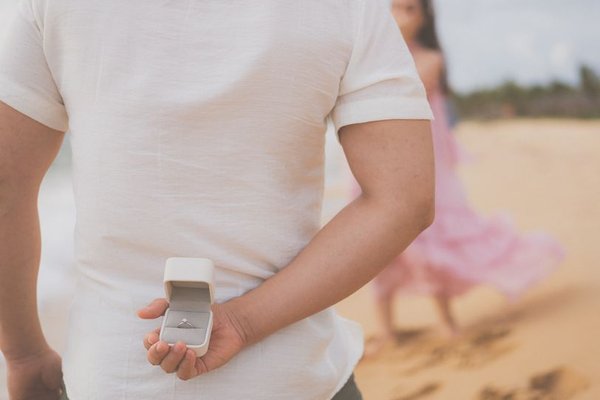
A scavenger hunt proposal turns one important question into a story you can move through together. Instead of revealing the ring immediately, you create a trail of clues connected to shared memories, favourite places, private jokes, and meaningful milestones. The result feels personal without needing an expensive venue or elaborate production. Every stop should have a reason to exist, while the final moment leaves space for a genuine conversation.
Start With the Story You Want to Tell
Before writing clues, decide what the hunt should say about your relationship. A strong concept usually follows a simple emotional arc: where you started, what you have built together, and where you hope to go next. This prevents the experience from feeling like a random collection of puzzles.
You might begin at the café where you had your first proper conversation, continue to a park where you often walk, and finish at home with photographs from recent years. Another couple might create the entire treasure hunt proposal indoors, using rooms, objects, songs, and handwritten notes. The setting matters less than the meaning behind it.
Choose three to six stops. Each should reveal a memory, compliment, promise, or the next clue.
Choose the Final Proposal Location First
Plan backwards from the final moment. The location should be private enough for both of you to react naturally, even in a public setting. Consider lighting, noise, weather, opening hours, transport, and any permission needed for decorations or photographs.
Think about your partner’s personality. Someone who dislikes public attention may prefer a quiet garden, a familiar living room, or a secluded picnic spot. Someone who enjoys celebration may love arriving where close family and friends are waiting nearby. A surprise proposal plan should surprise your partner with the timing, not pressure them with an audience they would never choose.
Map the Route and Timing
Write down each location in order, the travel time between stops, how long the clue should take, and what could go wrong. A compact route is usually better than sending your partner across an entire city. Walking-distance stops create momentum and reduce dependence on traffic, parking, or public transport.
A practical schedule might allow ten minutes at each clue, fifteen minutes between locations, and a thirty-minute buffer before the proposal. That protects the moment if a clue takes longer than expected or a venue is busy.
Write Clues That Feel Personal, Not Impossible
The best clue proposal balances emotion with clarity. Your partner should enjoy solving each step, not feel tested. Use references they will recognise, then add a small puzzle element.
Use Shared Memories
A clue might read, “Find the place where we always say we will order something new, then choose the same dessert.” It points to a familiar location while sounding like the two of you. You can also reference a first date, a holiday mishap, a favourite film, or the moment you realised the relationship had become serious.
Mix Different Puzzle Styles
Variety makes a puzzle proposal more engaging. One clue can be a short rhyme, another a photograph, and another can ask your partner to arrange three dates in order. A playlist clue can point to a song whose title reveals the next location. A simple map often works better than a complicated cipher.
Test every clue on someone who knows the route. If they find two possible solutions, revise the wording.
Add Meaningful Objects Along the Way
Small items can turn each stop into part of a keepsake collection. You might leave a printed photograph, ticket stub, short letter, or one flower at each location. By the final stop, your partner has a physical record of the relationship as well as the memory of the hunt.
For example, the hunt could begin with a note inside a morning coffee mug, directing your partner to the bookshelf where you keep travel guides. A photograph from your first trip then points to a nearby bakery you visited together. The bakery hands over an envelope containing a key and a message to return home. At home, the key opens a small box holding a final letter while you wait in the garden with the ring. The sequence is simple, personal, and easy to control.
Natural internal-link topics for readers planning the wider moment include romantic proposal ideas at home, how to choose an engagement ring, and proposal photography tips.
Use Helpers Without Overcomplicating the Plan
Helpers are useful when a clue must be handed over, a room needs decorating, or photographs need to be taken discreetly. Give each person one responsibility and a written timeline. Share addresses, arrival times, contact numbers, and a backup instruction. One person should coordinate the final location so you are not constantly checking your phone.
Protect the Surprise Without Creating Stress
Your cover story should explain the day naturally. You might suggest a normal date, birthday outing, or relaxed weekend activity. Do not invent an emergency or anything likely to make your partner anxious. The experience should feel exciting from the first clue.
Prepare for weather changes, closed venues, lost envelopes, and low phone batteries. Keep digital copies of every clue and carry a portable charger. If one stop fails, have a direct clue ready that moves the hunt forward without revealing the ending.
Plan the Final Question
The hunt creates anticipation, but the proposal itself should remain clear and sincere. Decide what you want to say before asking. You do not need to memorise a long speech. Mention what you value about your relationship, one hope for your future, and then ask plainly.
Keep the ring secure and accessible to you, not inside a clue your partner might drop or leave behind. After asking, pause. Let the moment happen without rushing toward photographs, music, or the next part of the celebration.
Frequently Asked Questions
How long should a scavenger hunt proposal last?
Most hunts work well when they last between 45 minutes and two hours. The ideal length depends on travel time, the number of clues, and your partner’s patience for puzzles. Keep the route focused and include a buffer for delays.
How many clues should I use?
Three to six clues are usually enough to create a complete experience without making it exhausting. Each clue should add emotional meaning or move the story forward.
Should family and friends be at the final stop?
Only include an audience if your partner would genuinely enjoy it. A good compromise is to propose privately, then meet loved ones immediately afterwards for a celebration.
What if my partner cannot solve a clue?
Build in gentle hints. A helper can offer a prompt, or you can place an “open if stuck” note beside the clue. The goal is connection and enjoyment, not difficulty.
Create an Adventure That Still Feels Like You
A memorable scavenger hunt proposal does not depend on complex riddles or dramatic locations. It works because the route reflects your shared history and leads naturally to a thoughtful final question. Keep the clues solvable, the schedule flexible, and the proposal suited to your partner’s comfort. When each detail comes from a memory or hope, the entire adventure feels personal from the first envelope to the answer.