

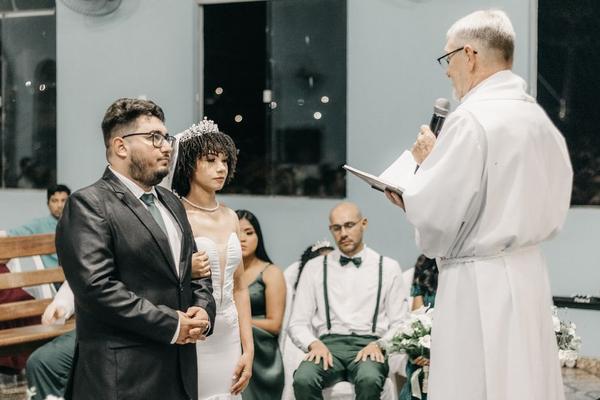
A wedding ceremony timeline is less about making every second rigid and more about giving the most meaningful part of the day enough structure to feel calm. When arrival, seating, the processional, vows, readings, rings, and the recessional all have a place, everyone knows what happens next without turning the ceremony into a stopwatch exercise.
For many couples, a 20- to 30-minute ceremony works well, while religious, cultural, or highly personalized ceremonies may run longer. The key is to build the ceremony schedule around your actual elements rather than copying a generic timeline.
Start With a Realistic Ceremony Window
First, confirm when guests should be seated and when the ceremony is meant to begin. If the invitation says 4:00 p.m., the processional should normally be ready to start at or close to 4:00, not when the first guests begin arriving.
Work backward from the start time. Give guests an arrival window, then schedule family seating and wedding-party line-up before the ceremony begins. Add a five- to 10-minute buffer for late arrivals, bathroom trips, boutonniere fixes, weather delays, or a missing bouquet.
A Sample Wedding Ceremony Timeline
30 to 45 Minutes Before: Wedding Party and Key Family Arrive
The people with a role in the ceremony should arrive before guest seating becomes busy. This includes the couple if arriving separately, the wedding party, immediate family, officiant, readers, ushers, and anyone involved in a special ritual.
Use this time for a location check, microphone test, final instructions, and confirmation that rings, vow books, readings, and required documents are ready. This is the first useful checkpoint on a wedding ceremony checklist.
20 to 30 Minutes Before: Guest Arrival and Seating
Guests arrive, find seats, greet one another, and settle in. Ushers can assist relatives, direct guests to reserved seating, and keep aisles clear. Prelude music helps create a natural transition into the ceremony.
If parking is limited or guests must walk a long distance from the entrance, allow a larger arrival window. Your schedule should reflect the real venue rather than an idealized timeline.
5 to 10 Minutes Before: Family Seating and Final Line-Up
Close family members who are part of the processional can be seated just before the wedding party begins. Meanwhile, everyone walking down the aisle should line up in the correct order. A simple wedding processional timeline prevents uncertainty about who goes first, who escorts whom, and where each person stands after entering.
Ceremony Start: Processional
The processional formally begins the ceremony. The exact order varies by culture, religion, family preference, and the couple’s choices, so there is no single mandatory sequence. Plan enough time for people to walk naturally, especially with a large wedding party, long aisle, children, or guests with mobility needs.
First 3 to 5 Minutes: Welcome and Opening Remarks
Once everyone is in place, the officiant welcomes guests and introduces the ceremony. This section can be brief or more personal. Couples who want a shorter ceremony can keep the opening focused and move quickly into readings or vows.
Next 3 to 8 Minutes: Readings, Music, or Personal Elements
Readings often appear before the vows, although the ceremony order of events can be customized. A poem, religious passage, short story, song, or family reading can add personality. If you include readers, make sure each person knows when to stand and where the microphone is located.
For example, a 25-minute ceremony might include a three-minute welcome, a two-minute reading, eight minutes for vows and rings, a four-minute unity ritual, and several minutes for the pronouncement, kiss, and recessional. That still leaves breathing room for pauses, laughter, or emotion.
Next 5 to 10 Minutes: Vows and Declaration of Intent
Vows are often the emotional center of the ceremony. Personal vows may take longer than traditional repeat-after-me wording, so read them aloud while planning rather than estimating from the page. If both partners write their own, agreeing on an approximate length helps keep the ceremony balanced.
Legal requirements vary by jurisdiction, so couples should confirm any required declaration, wording, witnesses, or signing process with the person legally conducting the marriage.
Next 2 to 4 Minutes: Ring Exchange
The ring exchange typically follows the vows or declaration of intent. Assign the rings to a specific person before the ceremony begins rather than relying on a last-minute handoff.
Final 2 to 5 Minutes: Pronouncement, Kiss, and Recessional
The officiant closes the ceremony, pronounces the couple married where appropriate, and cues the kiss. Recessional music begins as the couple exits, followed by the wedding party according to the chosen order. The recessional is usually quicker than the processional because everyone is already in position.
Where to Add Buffer Time
Do not place all your buffer at the end. Small pockets of extra time work better before the ceremony and around complicated transitions. Allow extra minutes for multiple readers, live musicians, cultural rituals, children, grandparents walking the aisle, accessibility needs, or outdoor weather conditions.
Keep the ceremony plan separate from reception logistics. For broader planning, a day-of wedding timeline, wedding planning checklist, and wedding processional order guide can each support the ceremony schedule without overcrowding it.
Wedding Ceremony Timeline FAQ
How long should a wedding ceremony be?
Many nonreligious ceremonies last around 20 to 30 minutes, but there is no universal ideal. Religious and cultural ceremonies can be longer. The right length depends on readings, rituals, vows, music, and formal requirements.
How early should guests arrive before the ceremony?
Allowing roughly 20 to 30 minutes for guest arrival usually gives people time to park, find seats, and settle in. Venues with complicated access may need more time.
Should the processional start at the invitation time?
Usually, yes. The stated ceremony time should represent the planned start, while guest arrival happens beforehand. A small behind-the-scenes buffer can absorb minor delays without deliberately starting late.
What should be included in a ceremony schedule?
Include key arrivals, guest seating, family seating, line-up, processional, welcome, readings or rituals, vows, ring exchange, pronouncement, kiss, and recessional. Add any legal, religious, or cultural elements specific to your ceremony.
Keep the Timeline Structured but Human
The best wedding ceremony timeline gives everyone confidence without making the ceremony feel mechanical. Set clear arrival times, map the order of events, estimate the length of vows and readings, and leave space for real life to happen. With a few well-placed buffers and a shared plan, the ceremony can move smoothly while preserving the emotion and spontaneity that make the moment memorable.