

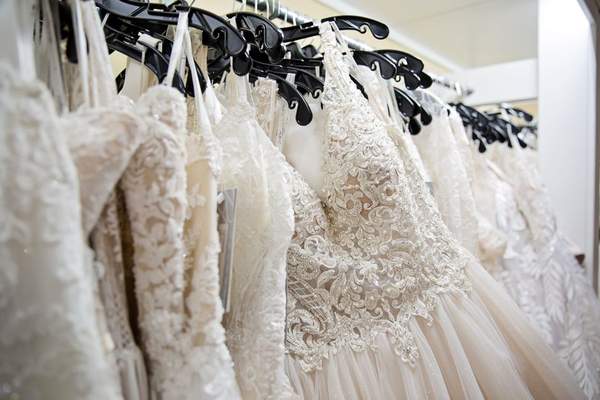
Wedding dress shopping becomes easier when you work backward from the wedding date. A gown may need months for production and delivery, followed by fittings, hemming, bustle work, and final adjustments. Building those stages into one wedding dress shopping timeline gives you room to choose carefully without turning the final weeks into a rush.
For many brides, starting serious shopping about 9 to 12 months before the wedding is a comfortable target. A shorter timeline can still work, but your options may shift toward faster-delivery designers, ready-to-ship gowns, sample dresses, or off-the-rack styles. The key is to match your plan to your wedding date and the lead times confirmed by the salon.
12 Months or More Before: Set Your Direction
If your wedding is a year or more away, use this stage to define what you want before booking several appointments. Save a small group of dresses you genuinely like and look for patterns in neckline, fabric, silhouette, sleeve style, embellishment, and formality. You do not need to choose a specific gown yet.
This is also the right time to set a realistic budget. Remember that the gown price may not include alterations, accessories, steaming, storage, or specialty undergarments. If you are unsure when to shop for a wedding dress, treat this early period as preparation rather than pressure to buy immediately.
Before your first appointment, reviewing wedding dress silhouettes or bridal neckline options can help you describe what you like, but stay open-minded. A dress can look very different on your body than it does in a photograph.
9 to 12 Months Before: Start Bridal Appointments
This is the main shopping window in a typical bridal shopping timeline. Book salons that carry styles within your budget and tell the stylist your wedding date at the start of the appointment. That allows them to avoid showing gowns that cannot arrive in time.
Bring only people whose opinions are genuinely helpful. Too many reactions can make it harder to hear your own instincts. Comfortable undergarments and shoes close to your likely wedding heel height can also help.
For example, if your wedding is October 10, beginning appointments the previous November or December gives you time to visit more than one salon, compare dresses calmly, and make a decision without depending on a rush order.
8 to 10 Months Before: Choose and Order the Gown
Once you find the dress, confirm the wedding gown ordering time before paying a deposit. Many made-to-order bridal gowns can take roughly four to six months in production, but timing varies by designer, season, customization, size, and salon. Some gowns take longer, so rely on the delivery estimate for your specific order rather than a general rule.
Before the order is submitted, check the style number, color, size, and any requested customization. Bridal sizing may differ from everyday clothing, so let the salon use your measurements and the designer’s size chart rather than ordering according to your usual clothing size.
4 to 6 Months Before: Confirm Delivery and Accessories
Your gown may still be in production at this stage. Confirm the expected arrival window with the salon and ask how you will be notified. If the estimate changes, knowing early gives you more time to discuss alternatives.
You can also finalize accessories that affect the fit, especially shoes and undergarments. Heel height can change how much hemming is needed, so choose your wedding shoes before alterations whenever possible.
2 to 3 Months Before: Begin Alterations
A common dress fitting schedule starts about 8 to 12 weeks before the wedding, once the gown is available. The first fitting is where the seamstress assesses the overall fit and identifies work such as hemming, strap adjustment, bodice shaping, sleeve changes, or bustle placement. More complex changes may need several appointments.
Bring your wedding shoes and intended undergarments. During the fitting, sit, walk, raise your arms, and move naturally. A gown can look perfect while you stand still but feel restrictive once you move. If it has a train, ask how the bustle works and who should learn to fasten it.
3 to 4 Weeks Before: Check the Final Fit
As the wedding approaches, fittings should focus on refinement rather than major reconstruction. Check the hem with your actual shoes, make sure the bodice feels secure, and test the bustle. Look at the gown from the front, back, and sides, then take a few steps in it.
If your measurements have changed, tell the seamstress instead of assuming the entire dress simply needs to be tighter or looser. Small adjustments can be more precise when the fitter knows what has changed.
1 to 2 Weeks Before: Final Pickup
Ideally, your final appointment leaves time for a small correction if needed. Before taking the gown home, confirm alterations are complete, the bustle fastens properly, and detachable pieces are included. Ask how the fabric should be stored and whether it should be steamed.
At home, keep the dress in a clean, dry, low-traffic place away from food, pets, and moisture. Follow the salon’s storage instructions, particularly for heavier gowns that may need support from inner hanger loops.
What If You Have Less Than Six Months?
A shorter timeline can still work, but make timing your first filter. Tell every salon your wedding date before trying on dresses and ask about ready-to-ship inventory, off-the-rack gowns, samples, or designers with shorter lead times. If a rush option is available, confirm the delivery date and any extra charge before ordering.
Contact an alterations professional early too. Finding a dress quickly does not help if no seamstress has availability. A gown that already fits closely may be a smarter short-timeline choice than one requiring major structural changes.
Frequently Asked Questions
When should I start shopping for a wedding dress?
For a traditional made-to-order gown, starting serious shopping around 9 to 12 months before the wedding gives you useful time for appointments, ordering, delivery, and alterations. If you have less time, focus on gowns that can be delivered or taken home quickly.
How long does it take to order a wedding gown?
Many made-to-order gowns take around four to six months to produce, but actual lead times vary. Confirm the expected timing for the specific designer and dress before ordering.
When should wedding dress fittings begin?
Many brides begin alterations about 8 to 12 weeks before the wedding. More complicated tailoring may need additional time, so book your seamstress as soon as you know when the gown is expected to arrive.
Can I buy a wedding dress three months before my wedding?
Yes, but you may need to prioritize ready-to-ship, off-the-rack, sample, or fast-delivery options. Confirm both dress availability and alteration capacity before purchasing.
Keep the Timeline Flexible
The best wedding dress shopping timeline is not about hitting one perfect date. It is about leaving enough space between choosing the gown, receiving it, altering it, and taking it home. Start early when you can, confirm real lead times instead of assuming them, and protect the final weeks before the wedding from avoidable dress emergencies. With those checkpoints in place, the process feels far more like planning and far less like racing a deadline.