

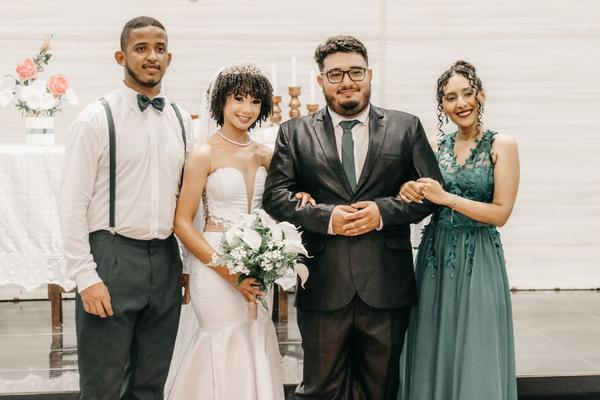
A white-tie wedding invitation is rare enough to make even confident dressers hesitate. Does it mean a glamorous gown? Is a regular tuxedo sufficient? White tie is the highest level of traditional Western evening dress, and its rules are more specific than those for most weddings. Guests are expected to look polished, ceremonial, and unmistakably dressed for an exceptional occasion.
For a traditional white tie dress code wedding, the essentials are a floor-length formal evening gown or a black evening tailcoat outfit with a white waistcoat and white bow tie. Here’s how to get each look right without mistaking white tie for black tie.
What Does White Tie Mean at a Wedding?
White tie, sometimes called full evening dress, sits above black tie on the formality scale. It is associated with state banquets, formal balls, and a small number of especially ceremonial weddings. Unlike an invitation that simply says “formal,” it leaves little room for a shorter dress, business suit, or standard dinner jacket.
The clearest distinction is the silhouette. A white-tie gown reaches the floor and looks appropriate for a grand evening event. Traditional masculine white-tie clothing includes an evening tailcoat, not the short jacket worn with a conventional tuxedo.
Our guide to black tie wedding guest attire explains where the slightly less formal dress code begins.
White Tie Wedding Guest Attire for Gown Wearers
A floor-length evening gown is the dependable choice. Look for an elegant cut in silk, satin, velvet, chiffon, crepe, or another fabric with a refined finish. The dress can be fitted or have a sweeping skirt, but it should feel distinctly more formal than an everyday maxi dress.
Choose a Formal Shape and Thoughtful Color
Ball gowns are classic, but a sophisticated column gown or structured A-line design can also suit the occasion. Prioritize excellent fit, an appropriate neckline, and fabric that hangs beautifully. Rich navy, emerald, burgundy, deep blue, and classic black are reliable options. Muted metallic shades can work when they do not resemble bridal attire.
Avoid white, ivory, and very pale bridal-looking shades unless the couple explicitly requests them. An elaborate gown is not an excuse to compete with the bride. If you’re unsure whether a champagne-colored dress is too close to white, choose a clearer color instead. Our wedding guest dress color etiquette guide offers a useful starting point.
Keep Shoes, Bags, and Jewelry Evening-Ready
Pair the gown with formal heels or elegant dress flats, a small evening clutch, and carefully chosen jewelry. A necklace, earrings, or bracelet can provide sparkle without every accessory making a statement. A polished hairstyle complements ultra formal wedding attire better than an overly casual finish.
Long evening gloves are a traditional option, not a universal requirement. If you wear them, choose a length that works with the sleeves of your gown and remove them for eating. A formal wrap or tailored evening coat is more appropriate than a casual cardigan.
White Tie Guest Outfits for Tailcoat Wearers
The traditional masculine ensemble is precise. Start with a black evening tailcoat, cut short across the front with long tails at the back. It is paired with matching formal black trousers, typically finished with a satin or braid stripe along the outside seams.
Under the coat goes a stiff-front or piqué white formal shirt, traditionally with a wing collar, plus a white piqué waistcoat and a white bow tie. Formal shirt studs and cuff links complete the shirt. Finish with polished black patent-leather evening shoes and appropriate dark dress socks.
Two common substitutes do not work: a standard black tuxedo with a white bow tie, or a dark business suit with an especially formal shirt. Neither becomes white tie through accessories alone. The coat, trousers, waistcoat, shirt, and tie form a coordinated dress code.
Fit Matters More Than Extra Flourishes
The waistcoat should sit neatly under the tailcoat without looking long or bulky. Trousers should fall cleanly over the shoes, while the shirt collar should be comfortable through dinner and dancing. White gloves have a place in some traditional conventions, but expectations vary; ask the hosts if the invitation mentions ceremonial accessories.
If you rarely attend ultra-formal events, renting a complete white-tie ensemble is usually more practical than buying one. Tell the formalwear shop you need evening tails, not a morning coat or ordinary tuxedo. Book early because specialist pieces may not be available in every rental inventory.
How to Handle Ceremony Timing and Venue Details
White tie is traditionally an evening dress code, but a wedding may begin with an afternoon religious ceremony before a formal nighttime reception. Read the schedule carefully. If the invitation says white tie for the entire celebration and the timing seems unusual, ask the couple or wedding planner whether guests should wear one outfit throughout or change before dinner.
Imagine a ceremony at 4 p.m. followed by a white-tie reception at 7 p.m. A guest traveling from another city should not assume there will be space to change at the venue. Confirm the logistics in advance, then plan transportation, garment storage, and dressing time.
Respect religious or cultural expectations, too. A house of worship may require covered shoulders or other modesty considerations, even when the evening reception permits a different neckline. A formal shawl can solve that problem without compromising the look.
Common White Tie Mistakes to Avoid
The biggest mistake is interpreting “very formal” as permission to wear whatever looks expensive. A stylish cocktail dress is still too short for a traditional white-tie event. A fashionable tuxedo is still not an evening tailcoat. Flashy accessories cannot compensate for poor fit or inappropriate footwear.
Do not leave your choices until the last week. Floor-length gowns may need hemming, and formal trousers or waistcoats often need adjustments. Try the entire outfit on with your actual shoes. For less ceremonial invitations, our guide to formal wedding guest attire explains when these strict rules are unnecessary.
Frequently Asked Questions
Can I wear a black dress to a white-tie wedding?
Yes. A black floor-length evening gown is generally an elegant and appropriate choice. Focus on formal fabric, beautiful tailoring, and polished accessories rather than color alone.
Are opera gloves mandatory for white-tie wedding guests?
No. Long gloves are a traditional accessory for gown wearers but are generally optional unless the hosts specify otherwise. If worn, they should be removed for dining.
Can I wear a regular tuxedo instead of tails?
Not when the hosts expect traditional white tie. A regular tuxedo belongs to black tie. Rent or arrange a proper evening tailcoat outfit if needed.
Does white tie require an expensive designer gown?
No. The requirement concerns the level of formality, not a label or price tag. A well-fitted, floor-length formal gown can look entirely appropriate without being a luxury purchase.
Final Thoughts
White tie wedding guest attire is about respecting a distinctive occasion, not finding the most extravagant thing to wear. Choose a true evening gown or a complete tailcoat ensemble, get the fit right, and clarify unusual instructions before the wedding. Then let your personal style show through color, fabric, and carefully selected accessories.