

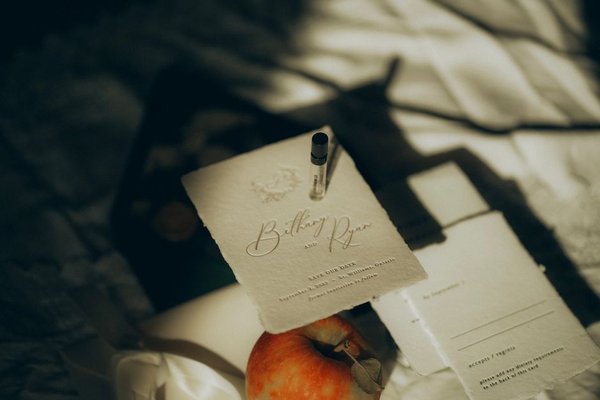
Telling guests that your wedding will be adults only can feel surprisingly delicate. You want the celebration you have planned, but you also want friends and relatives with children to feel valued. The solution is a message that is clear, warm, and consistent, rather than an elaborate explanation or a harsh-sounding rule.
Good adults only wedding invitation wording begins with the envelope and continues through your details card, wedding website, and RSVP. When each piece tells the same story, parents can make arrangements or decline gracefully without having to guess who’s invited.
Let the Names on the Envelope Do Their Job
Traditional etiquette recommends addressing an invitation to the specific people invited. If Maya and Daniel Rivera are invited but their children are not, use both adults’ names rather than “The Rivera Family.” The same principle applies to an inner envelope if you’re using one.
Still, names alone do not always eliminate confusion. Some guests assume that a family invitation includes their children, particularly if previous family events have. A tactful note on your details card or website can make the boundary unmistakable without putting it front and centre on the formal invitation.
Before printing, check your guest list against a wedding invitation addressing guide so every envelope and accompanying guest is named consistently.
Polite Adults-Only Wedding Wording Examples
There is no single sentence that fits every celebration. Consider the formality of your event and how you naturally speak to guests. The following options work particularly well on an enclosure card or wedding website.
Warm and Welcoming
“We love your little ones, but our wedding celebration will be for adults only. Thank you for understanding.”
“We look forward to celebrating with you at our adults-only ceremony and reception.”
“To give everyone an evening to relax and celebrate, we’ve planned an adults-only wedding.”
Elegant and Formal
“We respectfully request an adults-only celebration.”
“Kindly note that the ceremony and reception are reserved for adult guests.”
“We are delighted to welcome the guests individually named on your invitation.”
Especially Considerate of Parents
“We understand childcare arrangements aren’t possible for everyone. Our wedding will be adults only, and we’ll completely understand if you’re unable to attend.”
This kind of child free wedding wording recognises a real practical issue: some guests will need overnight childcare, help from relatives, or a change to their travel plans. An invitation should never make parents feel they must prove their affection by attending.
Where Should You Put the Adults-Only Message?
On a traditional invitation, leave the main card focused on the couple, date, time, and location. Classic adults only wedding etiquette favours naming invitees precisely and putting additional explanation on a separate details card or website.
A details card could read: “A note for our guests: our ceremony and reception will be adults only. We appreciate your understanding.” For a casual no kids wedding invitation, a brief line such as “Adults-only celebration to follow” may fit neatly beneath the reception information.
Be precise about the events covered. If children can attend the ceremony but not the dinner, say so. A blanket statement about the entire wedding would mislead families trying to plan their day.
Use Your Wedding Website to Explain the Policy
The website is an ideal place to answer the question directly, especially for guests who need time to organise childcare. Put the information in an easily spotted FAQ or guest-details section rather than hiding it within directions.
Here is practical wedding website child free wording: “Will children be attending? We adore the children in our lives, but we’ve chosen an adults-only ceremony and reception. Invitations are limited to the guests named on them. Thank you for understanding, and please know we understand if this affects your ability to join us.”
You do not need to invent a reason. Only mention a venue age restriction if it genuinely exists. Likewise, avoid telling guests they can “enjoy a night off” as if arranging childcare is automatically easy or desirable for every family.
Pair this information with a wedding website FAQ checklist covering travel, accommodation, accessibility, and anything else your guests should know before responding.
Make Sure the RSVP Supports Your Wording
A courteous note can be undermined by an RSVP form that lets anyone add extra names. For paper responses, consider “We have reserved two seats in your honour,” personalised to each invitation. For online RSVPs, configure the guest list so each household can respond only for the invited people.
Consider a couple with three children. You address the invitation to the two adults, include a simple adults-only note, and show two reserved places on the RSVP. The message is unmistakable without sounding unkind. Before sending invitations, test your online form as a guest to check that its options match the envelopes.
A wedding RSVP wording guide can also help with clear acceptance and regret options, particularly when you are mixing paper and digital responses.
What About Babies, Teenagers, and Wedding-Party Children?
Settle exceptions before guests start asking. You might invite a nursing infant, allow teenagers, or include children participating in the ceremony. None of these arrangements is mandatory, but your wording should describe what you are actually doing.
If some children are invited, avoid promising a completely child-free event. Instead, explain that invitations are limited to the people named. Discuss sensitive exceptions privately, particularly when close relatives are affected.
If someone asks to bring an uninvited child, a calm response is best: “We’d love to see you, but we’re keeping the guest list to those named on the invitation. We understand if that means you can’t attend.” You can be sympathetic without changing your decision.
Share the policy as early as practical. Guests travelling a long distance may need extra time to find reliable care. If you recommend local childcare services, confirm the information before passing it along.
Frequently Asked Questions
Is it rude to say “adults only” on a wedding invitation?
Not automatically. Traditional etiquette prefers identifying invited guests on the envelope and explaining restrictions elsewhere. A short, polite note can also work on an informal invitation, particularly if the details are otherwise unclear.
How do you say no children without offending parents?
Keep the wording appreciative and direct. Explain that the celebration is for adults only, avoid comments about children’s behaviour, and acknowledge that some families may be unable to attend.
Can you make an exception for newborns?
Yes, if that is what you decide. A nursing baby may raise different practical needs from an older child. Communicate exceptions with affected guests and make sure the general wording doesn’t contradict your plans.
What if someone declines because they cannot arrange childcare?
Accept their response graciously. Your choice to have an adults-only event and their choice to prioritise childcare can both be respected. Thank them for considering the invitation and keep the relationship warm.
Clarity Can Still Feel Kind
The best adults-only wording is not complicated. Address invitations accurately, give one considerate explanation, and make the website and RSVP reflect your guest list. You cannot guarantee everyone will be pleased, but you can offer the courtesy of a clear invitation and the freedom to respond honestly.