

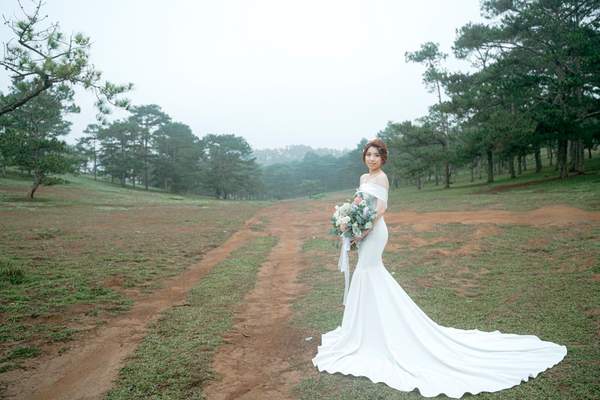
Searching for wedding dress styles for body types can be useful, but it should never feel like a set of rules telling you what you are allowed to wear. A better way to shop is to think about fit goals: where you want support, how much movement you need, what proportions you enjoy, and which details make you feel most like yourself. Body-shape labels can offer a starting point, but the final decision should come down to comfort, confidence, and the way the dress behaves on your actual body.
The best wedding dress for body shape is rarely determined by shape alone. Two brides with similar proportions may prefer completely different silhouettes because of bust support, height, fabric, venue, or personal style. Use the ideas below as fitting-room guidance rather than fixed fashion laws.
Start With Fit Goals, Not a Body-Type Label
Before trying to classify yourself as pear, apple, hourglass, rectangle, or inverted triangle, ask what you want the dress to do. Do you want a defined waist, more ease through the hips, a secure bodice, or a long vertical line? Those answers are often more useful than a label because they connect directly to construction and comfort.
A practical bridal gown fit guide should also consider how long you will wear the dress. During appointments, sit down, raise your arms, take several steps, and turn from side to side. A gown that looks beautiful while standing still should also let you move without constant adjustment.
How Popular Silhouettes Change Proportion
A-Line: Balanced and Adaptable
An A-line gown fits through the bodice and gradually widens from the waist or upper hip. It can create waist definition without a tightly fitted skirt, making it a useful first silhouette to try. From there, you can decide whether you want more volume, less volume, or a closer fit through the hips.
Ball Gown: Strong Waist Emphasis
A ball gown pairs a fitted bodice with a full skirt, creating a clear contrast between the waist and lower half. Brides who love a formal or romantic look can wear this silhouette regardless of body type. For petite brides, scale often matters more than the label: a lighter skirt, clean neckline, and correctly placed waist seam can preserve proportion without losing drama.
Fit-and-Flare and Mermaid: Highlighting Curves
Fit-and-flare dresses follow the torso and hips before widening lower down. Mermaid gowns generally remain fitted farther toward the knee. Both emphasize the body’s outline, so seam placement and fabric stretch are important. If you want more freedom to walk, compare several flare points; a gown that widens at mid-thigh can feel very different from one that stays narrow to the knee.
Sheath and Column: A Clean Vertical Line
Sheath and column dresses fall relatively straight from the upper body, creating a streamlined effect. They can suit brides who prefer minimal volume or a modern look. Fabric changes the result: soft crepe follows natural contours closely, while more structured or textured materials can create a firmer line.
Use Necklines and Structure to Fine-Tune the Fit
Silhouette is only one part of flattering wedding dresses. Necklines, straps, sleeves, waist placement, and internal structure can make two gowns with the same skirt shape feel completely different.
For fuller busts or anyone wanting extra support, look closely at boning, cup structure, strap width, and neckline depth. Square, scoop, V-neck, and sweetheart necklines can all work well when the bodice is properly fitted. If you want to emphasize your waist, defined seams or a structured bodice can help. If you prefer a softer transition through the midsection, gentle draping or a raised waist may feel more comfortable.
For more detail on the upper half of a gown, see our bridal neckline styles guide. Our wedding dress fabric guide is also useful when comparing structure, drape, and movement.
A Better Fitting-Room Test
Imagine a bride who wants a defined waist, comfortable hip room, and enough support to dance without adjusting her dress. Instead of deciding that one silhouette is “correct” for her body type, she tries an A-line with a structured bodice, a fit-and-flare with stretch lining, and a lighter ball gown.
She may find that the A-line feels easiest to move in, the fit-and-flare gives the shape she loves, and the ball gown feels more supportive than expected. That comparison is more useful than a chart because it tests real fit goals on her body. Take front, side, and back photos, then compare posture, movement, and comfort as well as appearance.
Alterations Can Change Your Impression of a Dress
Sample gowns rarely fit perfectly. Straps may be too long, the bust may sit too low, or the waist seam may fall above or below your natural waist. Those issues can distort wedding dress proportions and make a good silhouette seem wrong.
Ask the bridal consultant which fit issues are routinely alterable and which would require major reconstruction. Common alterations can improve support, adjust hem length, refine the waist, and correct gaping or pulling. Our wedding dress alterations guide can help you understand typical adjustments before you commit.
FAQ
What wedding dress style is most flattering for every body type?
There is no single universally flattering silhouette. A-line dresses are versatile, but the best choice depends on your preferred proportions, support needs, comfort, and personal style.
Should I choose a wedding dress based on my body shape?
You can use body-shape guidance as a starting point, but not as a rule. Focus on how the dress fits your bust, waist, hips, shoulders, and height, and whether you can move comfortably in it.
What if I love a dress style that is not recommended for my body type?
Try it anyway. Recommendations are generalizations, while real dresses vary in fabric, seam placement, structure, and scale. A well-fitted version may look and feel completely different from what a body-type chart predicts.
How can I tell if a wedding dress really fits well?
A good fit should feel secure without painful pressure, allow normal breathing and movement, keep the bust and waist in the intended position, and avoid excessive pulling or gaping. Test the dress while sitting, walking, and lifting your arms.
Choose the Dress That Works With You
The most useful way to think about wedding dress styles for body types is to turn broad shape advice into personal fit questions. Notice where a gown creates support, where it adds or reduces volume, how its seams affect proportion, and whether you feel comfortable moving in it. A silhouette can guide your search, but it does not define your options. The right wedding dress is the one that fits your body, your priorities, and the way you want to feel on your wedding day.