

Wedding catering has a quiet way of becoming one of the biggest parts of the celebration budget. At first, it sounds simple enough: feed the guests, offer a few drinks, make sure everyone leaves happy. But once menus, service styles, rentals, staffing, appetizers, desserts, and late-night snacks enter the conversation, the numbers can climb quickly.
The good news is that a beautiful wedding meal does not have to feel extravagant to be memorable. In fact, some of the most enjoyable wedding menus are simple, thoughtful, and built around comfort rather than excess. With the right planning, couples can create a warm, satisfying dining experience without stretching the budget too far. These budget-friendly wedding catering tips are about making smart choices, not cutting away the joy.
Start with a Realistic Food Budget
Before looking at menus or speaking with caterers, it helps to decide what portion of the wedding budget can comfortably go toward food and drink. Catering costs can vary widely depending on guest count, location, service style, menu complexity, and even the season. Without a clear number in mind, it becomes easy to fall in love with ideas that are difficult to afford.
A realistic food budget should include more than the meal itself. Couples often forget about service fees, staffing, taxes, gratuities, rentals, cake-cutting charges, setup, cleanup, and beverages. These smaller details can make a simple menu feel much more expensive than expected. Asking for a full estimate early can prevent surprises later.
It is also helpful to think about priorities. Some couples care most about a seated dinner. Others would rather have a relaxed buffet, creative food stations, or a beautiful dessert table. Once the most important parts are clear, it becomes easier to spend where it matters and simplify where it does not.
Keep the Guest List Thoughtful
The guest list has one of the biggest effects on catering costs. Every additional guest means another meal, another drink, another chair, another place setting, and possibly more staff. This does not mean the celebration should feel small if the couple dreams of a large wedding, but it does mean the guest count deserves careful attention.
A slightly smaller guest list can open space in the budget for better food, more comfortable service, or a more personal atmosphere. Instead of inviting distant acquaintances out of obligation, couples may choose to focus on the people who are genuinely part of their lives. It often makes the day feel more intimate, even if the wedding is not tiny.
When trying to save on catering, reducing the guest count is usually more effective than trimming small menu details. Serving 100 guests well may feel better than stretching the same budget across 160 guests with limited options.
Choose a Catering Style That Fits the Budget
The way food is served can affect the overall cost as much as the menu itself. A formal plated dinner can feel elegant, but it often requires more staff, more timing coordination, and more service planning. Buffets, family-style meals, and food stations may offer more flexibility, depending on the venue and caterer.
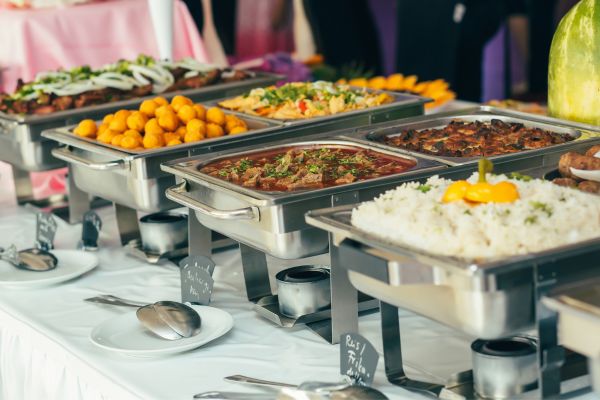
A buffet can be budget-friendly because it usually requires fewer servers than a plated meal. It also gives guests more freedom to choose what they enjoy. However, buffets are not always automatically cheaper, especially if too many dishes are offered. The key is to keep the menu focused and balanced.
Family-style service can create a warm, shared-table feeling, though it may require larger portions and serving dishes. Food stations can be fun and interactive, but multiple stations may increase staffing needs. The best choice is not always the cheapest on paper; it is the one that matches the couple’s guest count, venue layout, and overall wedding style without adding unnecessary complexity.
Build the Menu Around Simple, Loved Foods
Wedding food does not need to be complicated to feel special. In many cases, guests remember a well-prepared familiar dish more fondly than something unusual that looks impressive but feels less satisfying. Simple foods, when presented beautifully and served at the right temperature, can feel generous and thoughtful.
Comfort-driven menus often work well for budget-conscious weddings. Pasta dishes, roasted vegetables, seasonal salads, grilled chicken, rice-based dishes, flatbreads, tacos, sliders, soups, and hearty sides can all feel wedding-appropriate when styled carefully. The secret is not choosing the cheapest food possible, but choosing ingredients that offer flavor, volume, and broad appeal.
It is also wise to avoid menus with too many separate proteins or highly specialized ingredients. Offering two strong main options is usually enough for most weddings. A crowd-pleasing vegetarian dish can serve both vegetarian guests and those who simply want something lighter.
Use Seasonal Ingredients
Seasonal ingredients are often fresher, more flavorful, and more affordable than items that must be sourced specially. This is one of the easiest budget-friendly wedding catering tips to apply because it improves both cost and quality.
A summer wedding might include fresh tomatoes, berries, cucumbers, herbs, grilled vegetables, and lighter dishes. An autumn wedding can lean into squash, apples, root vegetables, warm spices, and roasted flavors. Winter menus can feel cozy with soups, braised dishes, potatoes, greens, and rich sauces. Spring weddings can make use of peas, asparagus, tender greens, citrus, and delicate herbs.
Seasonal food also helps the menu feel connected to the day itself. Guests may not consciously notice every ingredient, but they feel when a meal suits the weather, the setting, and the mood.
Limit the Number of Courses
A full multi-course meal can be lovely, but it is not always necessary. Many weddings feel complete with appetizers, a main meal, and dessert. In some cases, couples can even simplify further by choosing a strong dinner menu and skipping extras that guests may not miss.
Cocktail-hour appetizers are a common place where costs grow quietly. Small bites can be expensive because they require preparation, presentation, and staff to pass or replenish them. Instead of offering a large selection, couples can choose two or three well-liked options. A simple grazing table or a few stationary appetizers may also work well, depending on the venue.
Late-night snacks are another detail to consider carefully. They can be fun, especially for long receptions, but they are not always needed. If dinner is filling and dessert is served at the right time, guests may be perfectly satisfied without an additional food round.
Be Smart About Drinks
Beverages can take a large share of the catering budget, especially when alcohol is included. An open bar for the entire evening may sound generous, but it can be costly. There are several ways to keep the drink experience enjoyable without overspending.
A limited bar with beer, wine, and one or two signature cocktails can feel polished while staying controlled. Signature drinks also add personality without requiring a full range of spirits and mixers. Another option is to serve alcoholic drinks only during cocktail hour and dinner, then switch to nonalcoholic beverages later.
Nonalcoholic drinks deserve attention too. Infused water, iced tea, lemonade, sparkling juices, mocktails, and warm drinks can make the beverage table feel considered. Guests appreciate having refreshing options, especially at outdoor or daytime weddings.
The important thing is clarity. Couples should understand whether drinks are charged per person, per bottle, per hour, or by consumption. The pricing structure can make a big difference.
Consider a Daytime or Brunch Wedding
Time of day can shape catering costs in a surprisingly big way. Evening weddings often come with expectations of a full dinner, alcohol, and a longer reception. A brunch, lunch, or afternoon wedding can feel just as beautiful while allowing for a lighter and often more affordable menu.
Brunch menus can be charming and relaxed. Fresh fruit, pastries, eggs, waffles, salads, breakfast potatoes, tea, coffee, and simple sparkling drinks can create a generous spread without the cost of a formal dinner. Lunch weddings can also work well with sandwiches, salads, pasta, grilled dishes, or buffet-style meals.
A daytime celebration often feels softer and more personal. Natural light, garden settings, and lighter menus can create a lovely atmosphere. It is not a compromise; it is simply a different kind of wedding mood.
Work with the Venue’s Rules Early
Venue rules can make or break the catering budget. Some venues require couples to use an in-house caterer or choose from a preferred vendor list. Others allow outside catering but charge kitchen fees, insurance requirements, or additional setup costs.
Before booking the venue, couples should ask clear questions about food and beverage policies. Can outside caterers be used? Is there a fee? Are tables, chairs, linens, plates, and glassware included? Is there a kitchen on-site? Are there restrictions on alcohol? Who handles cleanup?
A venue that looks affordable at first may become expensive once rentals and catering restrictions are added. On the other hand, a slightly higher-priced venue may include enough essentials to save money overall.
Avoid Over-Ordering
Many couples worry about running out of food, which is understandable. No one wants guests to leave hungry. But over-ordering can waste a large amount of money. Experienced caterers are usually good at estimating portions based on guest count, service style, and event timing.
It helps to be honest about the schedule. If guests will have a short cocktail hour followed quickly by dinner, fewer appetizers may be needed. If the reception is long and includes dancing, a more filling meal may matter. If dessert is served soon after dinner, an oversized cake or huge dessert table may not be necessary.
Portion planning is not about being stingy. It is about matching the food to the flow of the event. A well-timed, well-balanced menu feels abundant without being excessive.
Rethink the Wedding Cake
Wedding cake can be another area where tradition and budget do not always align. A large, highly decorated tiered cake can be expensive, especially with detailed sugar flowers, metallic finishes, or intricate designs. Couples who love cake can still have a beautiful moment without making it the largest dessert expense.
A smaller display cake can be used for photos and the cake-cutting moment, while sheet cakes are served from the kitchen. This keeps the presentation elegant while lowering cost. Some couples choose a simple buttercream cake with fresh flowers or fruit rather than complex decoration.
Dessert alternatives can also work beautifully. Mini desserts, cookies, brownies, pies, doughnuts, or a simple dessert table can feel relaxed and inviting. The best choice depends on the couple’s style, but there is no rule that dessert must be elaborate to feel special.
Ask About Custom Menu Adjustments
Caterers often have set menus, but that does not mean every package is fixed. Couples can ask whether substitutions, smaller menus, or simplified service options are available. Sometimes removing one expensive ingredient or reducing the number of passed appetizers can lower the total noticeably.
It is better to be direct about the budget than to dance around it. A good catering conversation should include honest numbers and practical options. Instead of asking for “cheap food,” couples can say they want a beautiful, satisfying meal within a specific range. This gives the caterer room to suggest realistic choices.
Customizing a menu may also help avoid paying for items that do not matter to the couple. If they do not care about a champagne toast, premium linens, or a large dessert spread, those funds can stay in the budget or move toward something more meaningful.
Keep Presentation Simple but Intentional
Food presentation matters, but it does not always require expensive styling. Simple details can make a budget-friendly menu feel polished. Clean serving dishes, fresh herbs, seasonal garnishes, warm lighting, and thoughtful table placement can elevate the entire meal.
Even a buffet can look beautiful when it is arranged with care. Height variation, clear labels, fresh greenery, and uncluttered spacing make a difference. The same is true for dessert tables, drink stations, and appetizer displays.
The goal is not to disguise simple food. It is to present it with respect. Guests can feel when something has been arranged thoughtfully, even if the menu itself is modest.
Conclusion
Planning wedding food on a budget is not about removing pleasure from the day. It is about choosing carefully, avoiding waste, and focusing on what guests actually enjoy. A meal does not need to be extravagant to feel warm, generous, and memorable.
The most useful budget-friendly wedding catering tips often come down to balance. Keep the guest list thoughtful, choose a service style that fits the setting, use seasonal ingredients, simplify the menu, and pay attention to hidden costs before they become stressful. With a little creativity and a clear sense of priorities, wedding catering can feel both beautiful and manageable.
In the end, guests rarely remember every menu detail. They remember being welcomed, fed well, and included in a meaningful celebration. That is the real heart of wedding catering, no matter the budget.