

Why Digital Wedding Invitations Have Become So Common
Wedding planning has always carried a mix of excitement and tiny decisions that somehow feel bigger than expected. One of those decisions is the invitation. For years, printed cards were the natural choice. They arrived in envelopes, carried the texture of good paper, and often ended up pinned to refrigerators or tucked into memory boxes. But now, digital wedding invitations have become a serious option for modern couples who want something faster, simpler, and often more practical.
The conversation around digital wedding invitations pros and cons is not just about paper versus screen. It is really about tone, convenience, budget, guest experience, and the kind of wedding atmosphere a couple wants to create from the very first announcement. An invitation is not only information. It sets a mood. It tells guests whether the celebration will feel formal, relaxed, traditional, playful, or somewhere in between.
For some couples, digital invitations feel like a natural fit. For others, they still seem too casual for such an important day. Both views are fair. The best choice depends less on trends and more on what feels right for the couple, their families, and their guests.
The Convenience of Sending Invitations Online
One of the biggest advantages of digital wedding invitations is how easy they are to send. There is no need to visit a printer, approve paper samples, buy envelopes, collect stamps, or worry about cards getting delayed in the mail. Once the design is ready, the invitation can reach guests within minutes.
This can be especially helpful when the wedding timeline is short. Some couples plan quickly because of family schedules, travel needs, venue availability, or personal preference. In those cases, digital invitations remove a lot of stress. They also make last-minute updates easier. If the ceremony time changes slightly or transportation details need to be added, guests can be informed without reprinting anything.
There is also a practical comfort in knowing the invitation actually reached people. With physical mail, a couple may never know whether a card was lost, delayed, or accidentally delivered to the wrong address. Digital invitations can often show whether someone has opened the message or responded, which makes the planning process feel more organized.
A More Budget-Friendly Choice for Many Couples
Weddings can become expensive surprisingly fast. Even couples with modest plans often find that small costs add up. Printed invitations may involve design fees, paper, envelopes, printing, postage, inserts, and sometimes extra cards for RSVP details or wedding websites. Digital invitations usually reduce many of those expenses.
That does not mean every digital invitation is free or basic. Some couples choose beautifully designed online invitations with custom illustrations, animated elements, music, or matching wedding websites. Still, in most cases, digital options are more affordable than traditional printed suites.
For couples trying to prioritize photography, food, venue, clothing, or guest comfort, saving on stationery can feel sensible. It allows them to keep the invitation elegant without putting too much of the budget into something that may only be seen once.
The Environmental Appeal of Going Paperless
Another reason couples consider digital invitations is the environmental factor. Printed invitations use paper, ink, envelopes, packaging, and shipping resources. For couples who are trying to make more mindful choices, a paperless invitation can feel more aligned with their values.
This is especially true for larger weddings, where invitation suites may include several printed pieces. A digital version reduces waste and keeps all information in one place. Guests can view details on their phone instead of keeping track of multiple cards.
Of course, digital choices are not completely impact-free, because online tools and email systems also use energy. Still, for many couples, going paperless feels like a reasonable step toward a lighter, less wasteful celebration.
Easier RSVP Tracking and Guest Management
RSVPs are one of the most stressful parts of wedding planning. Printed response cards can be charming, but they can also be slow. Some guests forget to mail them back. Others send texts, phone calls, or verbal confirmations that are easy to lose track of.
Digital invitations often make RSVP tracking much smoother. Guests can respond with a click, select meal preferences, mention plus-ones, and even answer questions about allergies or song requests. This kind of organization can save a lot of time, especially when final numbers are needed for the caterer or venue.
It also gives couples a clearer view of their guest list. Instead of sorting through cards or updating a spreadsheet manually, many digital systems keep responses together. For anyone planning a wedding without a professional planner, that small bit of structure can be a relief.
The Possible Loss of Tradition and Sentiment
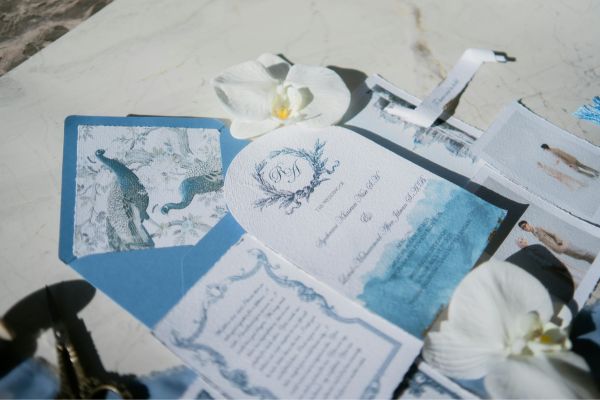
Even with all their practical benefits, digital wedding invitations do have drawbacks. The most obvious is the loss of physical sentiment. A printed invitation can feel special in a way that an email or link sometimes does not. The texture, envelope, calligraphy, and weight of the card all create a sense of occasion.
Some guests, especially older relatives, may see a printed invitation as more respectful or formal. They may enjoy receiving something tangible and keeping it as a memory. A digital invitation can feel too casual to them, even if it is beautifully designed.
There is also the keepsake factor. Many couples save one invitation for a wedding album or frame it with photographs. While a digital design can still be printed later, it may not carry quite the same feeling as a carefully chosen paper suite created for the occasion.
Technology Can Create Small Guest Challenges
Digital invitations work well when guests are comfortable with phones, email, and online forms. But not every guest is. Some people do not check email often. Others may miss the invitation because it lands in a spam folder or gets buried under other messages.
There can also be issues with older guests who prefer phone calls or printed information. They may not know how to open a link, submit an RSVP, or return to the invitation later for address details. This does not mean digital invitations are a bad choice, but it does mean couples should think about their guest list honestly.
A wedding invitation should make guests feel welcomed, not confused. If a large part of the guest list is less comfortable with technology, a fully digital approach may require extra support.
The Risk of Feeling Too Casual
Another concern is tone. A wedding is an emotional milestone, and some couples worry that a digital invitation might make the event feel less formal. This depends heavily on the design and wording. A rushed message sent through a casual app may not feel special. But a thoughtfully designed digital invitation with polished wording can still feel elegant.
The key is intention. If the invitation looks considered, personal, and complete, guests are more likely to treat it seriously. If it feels like a quick message, they may respond with the same level of casualness. Details matter here. The wording, layout, colors, and delivery method all influence how the invitation is received.
Best Practices for Digital Wedding Invitations
The most successful digital wedding invitations are clear, beautiful, and easy to use. Couples should make sure the invitation includes every essential detail, including names, date, ceremony time, venue address, dress code, RSVP deadline, and any extra information about parking, travel, or accommodation.
The wording should match the wedding style. A formal evening wedding may need more traditional language, while a garden ceremony or beach wedding can sound warmer and more relaxed. Digital does not have to mean informal. It simply gives couples more flexibility.
It is also wise to test the invitation before sending it to everyone. Open it on a phone, tablet, and computer. Check that the RSVP button works. Make sure the text is readable and the design does not look cluttered on a smaller screen. A beautiful invitation loses its charm quickly if guests cannot find the time or location.
For guests who may struggle with technology, couples can send a printed note, make a phone call, or ask a family member to help. A hybrid approach often works well. Close relatives or older guests can receive printed cards, while friends and tech-comfortable guests receive digital versions.
When a Hybrid Invitation Approach Makes Sense
Some couples find that the best answer is not choosing one side completely. A hybrid approach can offer the elegance of print and the convenience of digital planning. For example, a couple might send printed invitations to immediate family and formal guests, while using digital invitations for friends, coworkers, or international guests.
This can also work beautifully for destination weddings. A printed save-the-date may set the tone, while a digital invitation or wedding website handles changing travel details. Guests can revisit the online information whenever they need it, and the couple can update it without stress.
A hybrid method respects tradition without ignoring modern convenience. It can be especially useful when families have different expectations or when the guest list includes a wide age range.
Conclusion
Digital wedding invitations are no longer just a quick alternative to printed cards. They have become a thoughtful, practical, and often stylish option for couples who want more flexibility in the way they communicate with guests. When looking at digital wedding invitations pros and cons, the answer is not the same for every wedding. The benefits are clear: lower costs, easier RSVPs, faster delivery, and less paper waste. The drawbacks matter too, especially when it comes to tradition, sentiment, and guest comfort.
In the end, the right invitation is the one that feels true to the couple and considerate of the people receiving it. Whether it arrives in a mailbox or on a screen, it should carry the same message: you are invited, you are wanted, and this day matters.