

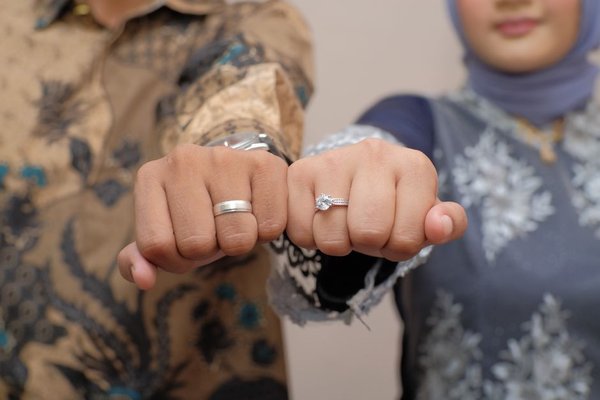
Choosing between engagement ring styles is easier when you stop asking which design is “best” and start asking which one fits the person who will wear it. The setting affects more than appearance: it changes how prominent the centre stone feels, how much sparkle the ring gives off, how easily it catches on clothing, and how comfortable it is for everyday wear. A useful ring style guide should therefore balance beauty with lifestyle, maintenance, and personal taste.
Some people are drawn to clean, quiet ring aesthetics; others want detail from every angle. Before comparing engagement ring types, think about the wearer’s usual jewellery, work, hobbies, and tolerance for maintenance. A ring that looks perfect in a display case should still feel right on an ordinary Tuesday.
Start With the Overall Look You Love
Engagement rings generally fall somewhere between minimal and highly detailed. A slim solitaire can feel timeless and understated, while a halo or pavé design creates a brighter, more decorative effect. Vintage-inspired rings bring pattern and character, whereas three-stone designs create a wider visual composition across the finger.
A practical starting point is to look at jewellery you already wear. If your favourites are simple hoops, a plain watch, and delicate chains, an elaborate ring may feel out of step with your style. If you regularly wear layered jewellery or statement pieces, a more detailed setting may feel natural.
Solitaire: Simple and Centre-Stone Focused
A solitaire uses one main gemstone without surrounding accent stones. It remains one of the most recognisable engagement ring styles because the design keeps attention on the centre stone. Prong-set solitaires expose more of the gemstone, while a bezel surrounds the edge with metal for a smoother, more protected profile.
Solitaire rings also pair easily with many wedding bands. Check the setting height, though: some low-profile designs leave little room for a straight band to sit flush beside the engagement ring.
Halo: Extra Presence Around the Centre Stone
A halo surrounds the centre gemstone with a border of smaller stones. This adds sparkle and can make the centre appear visually larger. Halos range from fine, delicate outlines to bolder designs, so the category covers more than one look.
The trade-off is added detail and maintenance. Small accent stones and their settings should be checked periodically, especially if the ring is worn every day. A halo can suit someone who loves glamorous popular engagement rings, while a very active wearer may prefer a simpler profile.
Three-Stone Rings: Balanced and Distinctive
Three-stone rings place a centre gemstone between two side stones. The side stones may match the centre shape or deliberately contrast with it, such as an emerald-cut centre paired with tapered baguettes or a round centre flanked by pear-shaped stones.
This style creates more width across the finger than a solitaire and can feel substantial without surrounding the centre with a full halo. Consider how high the stones sit and how much space the setting occupies between neighbouring fingers.
Pavé and Side-Stone Styles: Sparkle Across the Band
Pavé settings use small stones set closely along the band, creating a continuous-looking line of sparkle. Side-stone designs can use larger accent stones, channels of smaller stones, or a combination of shapes. These details can make a ring feel brighter even when the centre stone is modest in size.
For everyday practicality, look at where the accent stones stop. A fully decorated band may rub against neighbouring fingers and can complicate future resizing, while stones limited to the upper half leave a smoother section underneath.
Bezel and Low-Profile Styles for Daily Wear
A bezel setting holds a gemstone within a metal rim. Compared with an exposed prong setting, it offers more protection around the stone’s edge and creates a sleek, modern appearance. Lower-profile rings can also be less likely to snag on knitwear, gloves, or hair.
Imagine a wearer who works in healthcare, spends weekends climbing, or simply dislikes catching jewellery on clothing. A low bezel or another streamlined setting may be more comfortable than a high-set ring with intricate shoulders. Lifestyle is not a compromise; it is part of the design decision.
Vintage-Inspired Styles: Detail With Character
Vintage-inspired engagement rings borrow details from earlier jewellery periods without necessarily being antique. Art Deco-inspired rings often feature geometry, symmetry, step-cut stones, baguettes, and contrasting gemstones. Other vintage looks may use engraving, decorative edges, floral motifs, or softer curves.
These ring aesthetics are appealing if you want something less generic. Fine decorative work can require more careful cleaning than a plain band, and true antique rings may need specialist assessment because older settings can show wear.
How Stone Shape Changes the Style
The same setting can feel completely different depending on the centre-stone shape. Round stones tend to create a classic look. Oval, pear, and marquise shapes can lengthen the appearance of the finger, while emerald and other step cuts give a cleaner, architectural effect. Cushion cuts sit comfortably between soft and structured.
Pointed shapes deserve thoughtful protection. Pear, marquise, heart, and princess-cut stones have corners or tips that can be vulnerable to knocks, so the setting should protect those areas securely.
Match the Ring to Real Life
Before committing, compare designs in person whenever possible. Move your hands naturally, put on a jacket, slip a hand into a pocket, and hold a phone. Notice whether the ring rotates, catches, feels top-heavy, or presses against adjacent fingers.
Think one step ahead to the wedding band too. A dramatic engagement ring can look very different once another ring sits beside it. Consider band width, metal colour, ring height, and whether you want the two bands to sit flush.
FAQ About Engagement Ring Styles
What is the most timeless engagement ring style?
A solitaire is widely regarded as one of the most timeless choices because of its simple structure and focus on a single centre stone. A restrained three-stone ring can also have lasting appeal.
Which engagement ring style is best for an active lifestyle?
Low-profile settings with fewer exposed elements are generally easier for active wear. A bezel can offer added edge protection and a smooth outline, while very high settings or intricate pavé designs may require more care.
Can a halo make a centre stone look larger?
Yes. The small stones surrounding the centre extend the sparkling surface, which can create the impression of a larger overall look. The effect depends on the halo proportions and stone sizes.
Should an engagement ring match the wedding band?
It does not have to match exactly, but the two should work comfortably together. Consider metal colour, band width, ring height, and whether you prefer a flush fit or a deliberate gap.
Choose the Style You Will Enjoy Wearing
The best engagement ring is not simply the design getting the most attention online. It is the one that makes sense for your taste, hands, habits, and daily routine. Compare solitaire, halo, three-stone, pavé, bezel, and vintage-inspired options with the same questions in mind: Do you love the look? Is it comfortable? Does it suit your lifestyle? Will it work with the wedding band you imagine wearing later? When style and practicality point in the same direction, the choice usually feels much clearer.