

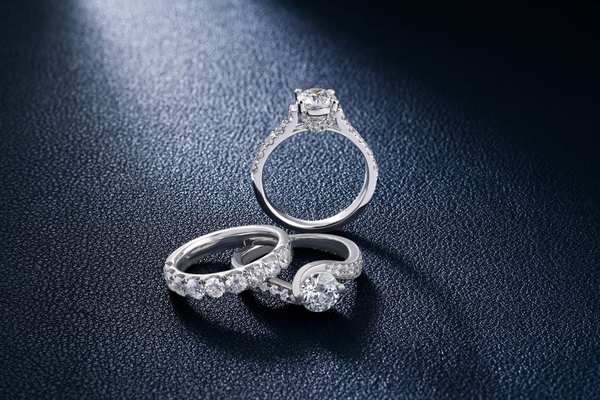
Choosing between a lab grown and natural diamond engagement ring is less about finding the “real” diamond and more about deciding what you want your budget, symbolism and long-term expectations to do for you. Both options are genuine diamonds with essentially the same chemical structure and very similar optical and physical properties. The biggest differences are how they are created, how much they usually cost, how the market values them and what their origin means to you personally.
Lab-Grown and Natural Diamonds Look Remarkably Similar
A natural diamond forms deep within the Earth over immense geological timescales before being brought closer to the surface by natural processes. A lab-grown diamond is created through a controlled technological process, typically high-pressure high-temperature or chemical vapor deposition. The result is still crystalline carbon rather than a diamond imitation such as cubic zirconia.
For an engagement ring buyer, that means appearance alone is rarely the deciding factor. A well-cut lab grown diamond ring can show the same brightness, fire and sparkle people expect from a well-cut natural diamond ring. Even experienced buyers may not reliably distinguish origin by eye. Specialist gemological testing is used to confirm whether a stone is natural or laboratory-grown.
Price Is Usually the Biggest Practical Difference
Lab-grown diamonds generally cost substantially less than natural diamonds with broadly comparable size and quality characteristics. That price gap can change how a couple allocates the engagement-ring budget. Someone prioritising visual size, cut quality or a higher colour and clarity level may be able to reach those goals more easily with a lab-grown stone.
Consider a buyer with a fixed ring budget who wants a noticeable centre stone but also cares about an excellent cut and a durable platinum setting. With a natural diamond, more of the budget may need to go toward the centre stone itself. With a lab diamond comparison, the buyer may find room for a larger carat weight or more money for the setting without increasing total spend.
The practical tip is simple: compare complete rings, not just loose-diamond prices. Setting cost, side stones, metal choice, warranties, resizing and aftercare can materially affect the final amount you pay.
Natural Diamonds Carry Geological Rarity and Tradition
The case for a natural diamond is not simply that it costs more. Many buyers value the fact that the stone formed naturally over an extraordinary period of time and exists in limited geological supply. That origin can add emotional weight to a piece intended to mark a lifelong commitment.
Natural diamonds also have a long-established place in the jewellery trade, auction market and heirloom tradition. For some couples, that history is part of the appeal. Others may feel no added connection to geological rarity and would rather put the same budget toward size, design, travel, a wedding or savings.
Related reading: diamond grading guide.
Resale and Future Value Need Realistic Expectations
Resale is one of the most misunderstood parts of the mined vs lab diamond decision. Neither type of engagement ring should automatically be treated as an investment, and retail price is not the same as second-hand value. Jeweller margins, setting costs, market demand and the condition of the ring all influence what someone might offer later.
Natural diamonds generally have a more established secondary market. Lab-grown diamonds can be more vulnerable to falling replacement prices because production technology continues to improve and new supply can be manufactured. That can put pressure on second-hand values.
If future resale matters to you, ask the retailer about trade-in or upgrade policies before buying. A written lifetime-upgrade programme may matter more in practice than a vague assumption that a ring will hold a certain percentage of its purchase price.
Grading Reports Are Important, but Read Them Correctly
Independent documentation helps confirm what you are buying. For natural diamonds, grading commonly describes the familiar quality characteristics of cut, colour, clarity and carat weight. Laboratory-grown diamonds can also be professionally assessed and identified, but reporting formats are not always identical to those used for natural stones.
For example, GIA now uses a separate quality-assessment approach for many colourless to near-colourless laboratory-grown diamonds rather than simply presenting them as if they belong to the same rarity framework as natural diamonds. The broader lesson is to check the issuing laboratory, verify the report number and understand exactly what the document measures.
Related reading: how the 4Cs affect diamond price.
Origin, Sustainability and Ethics Are More Nuanced Than Labels
Some buyers choose lab-grown diamonds because they prefer a manufactured origin and want to avoid concerns associated with mining. Others favour natural diamonds sourced through established responsible-sourcing systems. Neither choice should be reduced to a one-line claim that one category is automatically ethical or environmentally harmless.
Lab-grown production requires energy, and its environmental impact depends partly on the energy source and manufacturing process. Natural diamond mining has land, energy and community impacts, but operations and sourcing practices vary widely. If this issue matters strongly to you, ask for specific sourcing or production information rather than relying only on marketing language.
Which Engagement Ring Is Better for You?
The better choice depends on which trade-offs you are comfortable making. A lab-grown diamond may be more appealing if your priority is maximising visible size or quality within a fixed budget. A natural diamond may suit you better if geological origin, rarity, traditional market perception or heirloom symbolism matters more.
When comparing two rings, keep the decision focused on the factors you will notice after the proposal: cut quality, overall design, comfort, durability, how the ring looks on the hand and whether the price leaves you comfortable financially. The label matters, but the daily experience of wearing the ring matters too.
Related reading: engagement ring setting styles.
Frequently Asked Questions
Is a lab-grown diamond a real diamond?
Yes. A lab-grown diamond is a diamond created through a technological process rather than geological formation. It is not the same thing as a simulant such as cubic zirconia or moissanite.
Can you tell a lab-grown diamond from a natural diamond by looking at it?
Usually not with the unaided eye. Their appearance and key material properties are extremely similar, so reliable identification generally requires professional gemological testing and appropriate equipment.
Do natural diamonds hold value better than lab-grown diamonds?
Natural diamonds generally have a more established resale market, while lab-grown stones can face stronger price pressure as production expands and replacement prices change. However, neither should be purchased with a guaranteed resale return in mind.
Should I spend more on carat weight or cut quality?
Cut quality has a major effect on how lively and attractive a diamond appears. A slightly smaller, well-cut stone can look more impressive than a larger diamond with weaker proportions or light performance.
Final Thoughts
The lab grown vs natural diamond engagement ring decision becomes easier once you separate appearance from origin and price from long-term value. Both can make beautiful, durable engagement rings. Lab-grown diamonds usually offer more size or quality for the money, while natural diamonds offer geological rarity, tradition and a more established secondary-market history. Choose the option that fits your financial priorities and personal meaning, then judge the actual stone and ring on quality rather than category alone.