

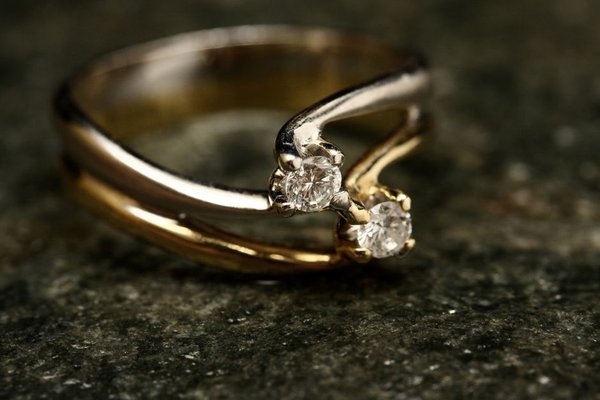
Choosing between gold and platinum for an engagement ring is not simply a question of which metal looks more luxurious. Both can make beautiful, long-lasting settings, but they feel different on the hand, age differently, need different maintenance, and can affect the total cost of the ring. The best choice depends on how you expect to wear the ring every day.
Gold and Platinum Are Different Materials
Gold engagement rings are usually made from an alloy rather than pure 24K gold, which is too soft for most everyday ring designs. Two common choices are 14K and 18K gold. An 18K ring contains 18 parts gold out of 24, while 14K contains 14 parts gold out of 24. Other metals are added to influence colour and hardness.
Platinum jewellery is also alloyed, but it is commonly sold at a much higher purity. In the United States, an item described simply as platinum should generally contain at least 95% platinum. This higher platinum content, combined with the metal’s density, helps explain its distinctive weight and price.
Colour: Platinum Is Naturally White
Platinum is naturally white and does not need a coating to create its basic colour. White gold begins with gold and is alloyed to look paler; many white-gold rings are then rhodium plated for a brighter white finish. That plating can gradually wear, especially on surfaces exposed to frequent friction.
If you want a cool white engagement ring metal without relying on rhodium plating for its colour, platinum has an advantage. Gold, however, gives you much more visual choice because it is widely available in yellow, white and rose tones.
Weight and Comfort
Platinum is denser than typical gold alloys, so a similarly sized platinum ring usually feels heavier and more substantial. Some wearers love that reassuring weight. Others prefer the lighter feel of gold, particularly if they are not used to wearing jewellery.
If possible, try on similarly sized rings in both metals. A ring that looks ideal in a photo may feel quite different once you imagine wearing it all day.
Durability for Daily Wear
Platinum ring durability is strong, especially for engagement-ring settings and prongs, but platinum is not scratch-proof. With everyday wear it can develop fine surface marks and a softer patina. Some people like this lived-in finish; others prefer to have the ring professionally polished from time to time.
Gold also scratches, and its performance varies with karat and alloy. For everyday rings, 14K and 18K gold are common because alloying makes gold more practical than pure 24K metal. A well-made gold setting can last for decades with proper care.
Neither metal removes the need for maintenance. If a ring receives a hard knock or is worn constantly, have the setting and prongs checked periodically. Design and workmanship matter as much as the metal choice.
Maintenance: What Changes Over Time?
Gold ring maintenance depends partly on the colour. Yellow and rose gold mainly need routine cleaning, polishing and occasional professional inspection. White gold may also need rhodium replating if you want to maintain a bright white finish after the coating begins to wear.
Platinum does not require rhodium plating to remain naturally white, but it still collects scratches and develops patina. Polishing can restore a brighter surface if you prefer a freshly finished look. So the real comparison is not maintenance versus no maintenance; it is which type of maintenance you are happier to manage.
Before buying, ask what aftercare is included. Polishing, replating, prong checks and resizing policies can affect long-term ownership cost.
Allergies and Sensitive Skin
High-purity platinum is often a good option for people with sensitive skin because it contains relatively little alloying metal. Gold sensitivity depends on the specific alloy. Some white-gold formulas may contain nickel, which can trigger contact dermatitis in sensitive wearers, while nickel-free white gold is also available.
If you already react to jewellery, ask for the exact alloy composition rather than choosing by colour alone. That simple question can be more useful than assuming every white metal will behave the same way on your skin.
Price: Why Platinum Often Costs More
Platinum settings commonly cost more than comparable gold settings. The reason is not just the raw market price of platinum. Platinum jewellery is often made at high purity, and its greater density means more metal by weight may be used in a similar ring. Manufacturing and finishing costs also influence the retail price.
Gold gives buyers more room to adjust the budget. Choosing 14K instead of 18K can lower the setting cost and leave more money for the centre stone or design.
Which Metal Should You Choose?
Choose platinum if you want a naturally white metal, prefer a substantial feel, value high purity, or have sensitivities that make certain gold alloys unsuitable. Choose gold if you want yellow, white or rose colour options, prefer a lighter ring, or want more flexibility in the setting budget.
Consider a real-world example: one buyer wants a white solitaire, has a known nickel sensitivity and dislikes the idea of periodic rhodium replating. Platinum may be the simpler fit. Another buyer wants to spend more of the budget on the diamond and prefers a lighter ring. A 14K or 18K gold setting may suit that priority better.
Useful related topics to explore before ordering include white gold and yellow gold, 14K vs 18K gold, and how to care for an engagement ring. Those comparisons can help you match the metal to your preferred colour, budget and maintenance routine.
Frequently Asked Questions
Is platinum more durable than gold for an engagement ring?
Platinum is highly wear resistant and is widely used for daily-wear settings, but it can still scratch and develop patina. Gold is also durable when used in suitable jewellery alloys such as 14K or 18K. Ring design, thickness and maintenance matter too.
Does platinum stay white longer than white gold?
Platinum is naturally white. Many white-gold rings are rhodium plated for a brighter white finish, and that coating can wear over time and may need replating.
Is platinum better for sensitive skin?
High-purity platinum is commonly chosen for sensitive skin. If you prefer gold, ask whether the specific alloy contains nickel or other metals you already know cause a reaction.
Is gold or platinum better value?
Gold usually offers a lower upfront cost and more choices in colour and karat, while platinum offers natural whiteness, greater weight and high purity. Better value depends on the qualities you care about most over years of wear.
Making the Final Decision
There is no universal winner in a platinum vs gold ring comparison. Platinum is naturally white, heavier and commonly higher in purity; gold is lighter, available in more colours and usually gives you greater budget flexibility. Choose the metal that fits your daily habits, comfort, skin, preferred appearance and willingness to maintain the finish. An engagement ring is worn far longer than it is shopped for, so the best metal is the one that continues to feel right after the showroom shine becomes everyday life.