

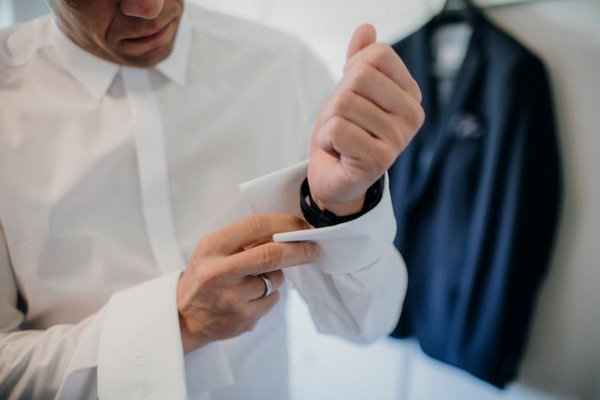
A groom wedding suit should look sharp in photographs, feel comfortable throughout the celebration and reflect the person wearing it. That is a bigger job than simply choosing a favorite color. The best approach is to start with the ceremony’s formality, find a flattering fit, then consider fabric and details. A suit that works in your venue and lets you move naturally will usually serve you better than one chosen purely because it looks fashionable on a model.
Start With the Dress Code and Venue
A grand evening wedding, a daytime garden ceremony and a beach celebration call for different levels of formality. Read the invitation carefully and discuss expectations with your partner. If the dress code is black tie, a traditional tuxedo is generally expected rather than a standard suit. For many formal and cocktail-attire weddings, a tailored two-piece or three-piece suit is suitable.
Think about the whole day, not just the walk down the aisle. Will you stand outside in sunshine, sit for a long dinner or dance in a warm reception room? A beautifully structured jacket loses its appeal if you spend the evening feeling overheated or unable to move your arms comfortably.
Find the Right Suit Shape
A single-breasted jacket, especially a classic two-button design, is a versatile starting point for a wedding suit for men. A double-breasted jacket creates a more pronounced, formal silhouette but requires careful fitting through the chest and waist. Try both rather than assuming one cut works for every body type.
A two-piece suit offers simplicity and flexibility. Adding a waistcoat creates a three-piece look and keeps the outfit polished after the jacket comes off. The waistcoat should lie smoothly against the torso and cover the trouser waistband. Choose based on your desired groom suit style, not the idea that more pieces automatically look better.
Make Wedding Suit Fit the Priority
Fit matters more than the price tag. Size labels and descriptions such as slim or regular do not guarantee how a suit will sit on your body. Judge each piece from different angles and move around in it before committing.
Jacket Fit
The shoulder seams should align closely with your natural shoulder edges, with no obvious drooping or overhang. When the jacket is buttoned, the front should lie smoothly without strong pulling around the button. Sleeves normally reveal a small amount of shirt cuff when your arms rest naturally. The jacket should allow comfortable movement, even though tailored clothing will not stretch like casualwear.
Trouser Fit
The waistband should sit securely without a painfully tight belt. You need enough room through the seat and thighs to sit and walk without strain. Trouser hems may meet the shoes cleanly or form a slight break, depending on the cut. Wear your intended wedding shoes when the tailor sets the length.
For more detailed adjustments, use a guide to how a suit jacket should fit as a reference before your final fitting.
Choose a Color That Makes Sense
Navy is a flexible option that works across many venues and seasons. Charcoal feels restrained and formal, while black can suit an elegant evening wedding. Remember that a black business-style suit is not a substitute for a tuxedo when black tie is required.
For relaxed daytime celebrations, consider light gray, tan, beige or muted green. Brown, burgundy and deeper greens can also feel distinctive without becoming costume-like. Match the color to the venue’s mood and your own complexion rather than selecting it solely from an online photograph.
Here is a useful test: take the suit fabric into both daylight and warm indoor light. A beige groom wedding suit that looks subtle outdoors may appear noticeably golden under reception lighting. Compare fabric samples with your partner’s outfit too, particularly when whites and ivories are involved. A collection of wedding suit color ideas can help you create a shortlist before visiting a shop.
Pick Fabric for the Season
Wool is a dependable choice because it comes in various weights and usually holds a tailored shape well. Lightweight wool or a more open weave can suit warmer weather. Linen offers a relaxed, breathable appearance but wrinkles easily, so decide whether that texture fits the occasion.
Cotton may suit an informal celebration, though it can crease noticeably. Fabric weight and lining matter as much as the fiber name. If you are marrying outdoors in summer, ask to try a lighter or less heavily lined jacket rather than assuming a pale color alone makes a suit cool.
Coordinate With Your Partner and Groomsmen
The wedding party should look connected, not necessarily identical. The groom might wear the same general color family as the groomsmen but distinguish his outfit through a waistcoat, lapel, tie or boutonniere. Keeping formality consistent often matters more than matching every shade.
Finish With Thoughtful Accessories
Start with a well-fitted shirt and shoes you can stand in for hours. A tie usually gives a classic suit a more formal finish; an open collar may work at a casual celebration but can feel unfinished in a formal setting. A pocket square and boutonniere can add personality without needing to match each other exactly.
Choose a belt that complements the shoes, or consider side-adjuster trousers that need no belt. Limit competing patterns and flashy details. A groom accessories checklist helps when packing everything for the venue, including cufflinks, spare socks and a suitable shirt for the final fitting.
Leave Room in the Timeline for Alterations
Begin shopping several months before the wedding if practical, particularly for made-to-measure clothing or a busy season. Even an off-the-rack suit might need sleeve, waist or trouser adjustments. Ask your tailor about lead times instead of assuming alterations can be handled the week before.
At the last fitting, wear the actual shoes and shirt. Button the jacket, sit down, raise your arms and take photographs from the front, side and back. This simple test can reveal pulling or bunching that a fitting-room mirror hides. Collect the finished outfit early enough to check every piece without a last-minute rush.
Frequently Asked Questions
What is the best groom suit style?
There is no single best design. A well-fitted navy or charcoal single-breasted suit is versatile, but venue, dress code and personal preference determine whether something lighter or more formal is appropriate.
Should the groom match the groomsmen?
Not exactly. Coordinated colors and formality create a cohesive appearance, while a different tie, waistcoat or suit shade can distinguish the groom.
Can a groom wear a light-colored suit?
Yes. Light gray, beige and other pale shades can work beautifully for daytime or warm-weather weddings when they suit the agreed dress code.
How can I tell if a wedding suit fits well?
Check for clean shoulders, a jacket that buttons without strain and trousers that remain comfortable when sitting. An experienced tailor can suggest refinements.
Choose Confidence Over Novelty
The most useful groom suit ideas start with practical questions: Is it appropriate for the celebration? Does it fit when you move? Will the fabric feel comfortable for hours? Once those answers are right, color and accessories become enjoyable choices rather than distractions. Your wedding outfit should help you feel like yourself on an extraordinary day.