

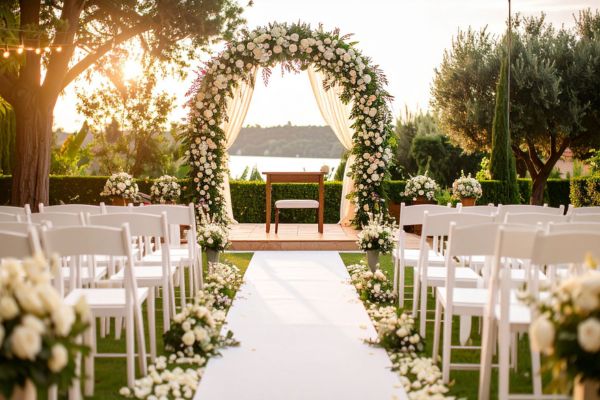
Planning a wedding is already a deeply personal journey, but when two cultures come together, the experience becomes even more meaningful. A multicultural wedding ceremony is more than a celebration of love—it is a celebration of heritage, family traditions, and shared identity. For many couples, blending cultures in a ceremony allows them to honor their backgrounds while creating something uniquely their own.
Learning how to plan a multicultural wedding ceremony requires sensitivity, creativity, and open communication. It is not simply about combining traditions but about weaving them together in a way that feels respectful, authentic, and joyful for everyone involved.
Understanding the Meaning Behind Each Tradition
The first step in planning a multicultural ceremony is understanding the cultural and spiritual traditions that matter to each partner. Every custom carries history and symbolism, and learning about these meanings can transform the planning process from logistical work into something much more meaningful.
Couples often begin by discussing the rituals that hold emotional value for them and their families. These might include ceremonial blessings, specific readings, attire traditions, or symbolic gestures such as lighting candles or exchanging garlands.
Sometimes families play a significant role in explaining the importance of certain customs. Listening to these stories can help couples decide which traditions they want to include. In many cases, understanding the “why” behind a ritual makes it easier to blend different elements together.
This step also helps prevent the ceremony from feeling like a checklist of unrelated customs. When each tradition is thoughtfully chosen, the ceremony naturally feels cohesive rather than fragmented.
Finding Balance Between Two Cultural Identities
One of the most important aspects of how to plan a multicultural wedding ceremony is finding balance. Many couples worry about giving equal representation to both cultures, but balance does not necessarily mean strict symmetry.
Instead, it often means highlighting the traditions that resonate most with the couple while still acknowledging both backgrounds. Some ceremonies alternate rituals from each culture, while others create entirely new traditions inspired by both.
For example, a couple might incorporate traditional clothing from one culture while performing a ritual from the other. Music, readings, and ceremony structure can also be blended to reflect both identities.
The key is authenticity. Rather than trying to represent everything, couples often find that choosing a few meaningful elements from each culture results in a more powerful and intimate ceremony.
Communicating Openly With Families
Family expectations can sometimes add complexity to multicultural wedding planning. For many families, wedding traditions are deeply tied to heritage and identity, so emotions can run high when decisions are made.
Open communication early in the planning process can make a significant difference. Couples who discuss their vision with family members often find that relatives become more supportive once they understand the intention behind certain choices.
It can also help to explain that the ceremony is meant to celebrate both families equally. Framing the wedding as a shared cultural experience rather than a compromise can shift the conversation in a positive direction.
In some cases, families may even suggest creative ideas that enrich the ceremony in unexpected ways.
Designing a Ceremony That Flows Naturally
Blending traditions works best when the ceremony has a clear narrative flow. Rather than inserting rituals randomly, couples can structure the ceremony so that each moment builds on the previous one.
A good approach is to think of the ceremony as a story. The beginning might welcome guests and acknowledge the joining of two families. The middle portion may include symbolic rituals, readings, or blessings. The final section often focuses on vows and the formal union.
When traditions are integrated thoughtfully, the ceremony feels harmonious rather than complicated. Guests who may not be familiar with certain customs can still follow the emotional arc of the celebration.
Couples sometimes include brief explanations of rituals through a program or a few spoken sentences from the officiant. This helps guests understand the significance of what they are witnessing.
Choosing the Right Officiant
The officiant plays an important role in guiding a multicultural ceremony. Ideally, this person should be open-minded, adaptable, and comfortable working with diverse traditions.
Some couples choose a religious leader from one of their faith backgrounds, while others select a neutral officiant who can respectfully incorporate elements from both cultures.
A skilled officiant can help weave different traditions together in a seamless way. They may introduce rituals with context, highlight shared values between cultures, and maintain the emotional rhythm of the ceremony.
Meeting with the officiant several times during the planning process can help ensure that the ceremony reflects the couple’s intentions and cultural sensitivities.
Incorporating Symbolic Rituals
Symbolic rituals are often the heart of multicultural weddings. These moments can express unity, family connection, or spiritual meaning in ways that transcend language.
Many couples choose rituals that visually represent the joining of two lives or two families. Examples include unity ceremonies, cultural blessings, or traditional gestures performed by family members.
The beauty of these rituals lies in their symbolism. Even guests unfamiliar with the tradition can appreciate the emotional significance behind the act.
Couples sometimes discover that different cultures share similar symbolic themes, such as unity, prosperity, or protection. Highlighting these common threads can make the ceremony feel deeply connected.
Celebrating Through Music, Language, and Attire
Cultural identity often comes to life through sensory details like music, language, and clothing. These elements can enrich the ceremony without making it feel overly complex.
Music from both cultures can be incorporated during the processional, recessional, or special moments in the ceremony. Traditional instruments or songs often add a powerful emotional layer to the celebration.
Language can also play a meaningful role. Some couples include readings or blessings in different languages, allowing families to hear words that reflect their heritage.
Attire is another opportunity to celebrate cultural identity. Couples sometimes choose traditional garments from one or both cultures, or they may change outfits between the ceremony and reception.
These details help create an atmosphere that feels vibrant and authentic.
Making Guests Feel Included
Multicultural weddings often bring together guests from different backgrounds who may not be familiar with each other’s customs. Creating an inclusive experience helps everyone feel comfortable and connected.
Simple explanations of rituals in a wedding program can provide helpful context. This allows guests to understand the significance of what they are witnessing.
Another approach is to highlight shared themes, such as love, family, and unity. These universal values resonate across cultures and help guests connect emotionally with the ceremony.
When guests feel included in the experience, the celebration becomes more meaningful for everyone present.
Embracing Creativity and Personal Meaning
There is no single formula for how to plan a multicultural wedding ceremony. In fact, the most memorable ceremonies are often the ones that break traditional molds and reflect the couple’s unique story.
Some couples create entirely new rituals inspired by their cultures. Others blend traditions in ways that feel modern and personal.
The freedom to design a ceremony that reflects both identities is one of the most beautiful aspects of multicultural weddings. It allows couples to honor the past while creating new traditions for their future together.
Rather than worrying about doing everything perfectly, couples often discover that authenticity matters most.
Conclusion
Understanding how to plan a multicultural wedding ceremony involves more than combining traditions. It requires thoughtful choices, open communication, and a willingness to celebrate cultural differences as strengths rather than obstacles.
When approached with care and creativity, a multicultural ceremony becomes a powerful reflection of love that bridges backgrounds, families, and histories. It tells a story not only about two people coming together, but about the rich traditions that shaped them.
In the end, the most meaningful ceremonies are the ones that feel genuine to the couple. By honoring heritage while embracing individuality, couples can create a wedding celebration that is both deeply personal and beautifully inclusive.