

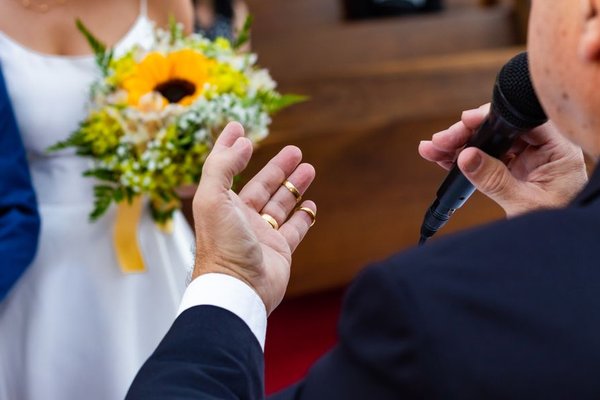
Choosing someone to lead your wedding ceremony is about more than finding a confident speaker. Your officiant sets the tone, guides your most personal moments, and may handle important marriage paperwork. Two officiants can have equally enthusiastic reviews but offer very different experiences. Asking the same wedding officiant questions during each interview makes those differences easier to see before you sign a contract.
You do not need to interrogate anyone. A focused conversation about style, preparation, logistics, and expectations can tell you whether this person understands the ceremony you want.
Start With Availability and Experience
Are you available for our date, time, and location?
Confirm the actual ceremony time, not simply the date. Ask whether the officiant has another wedding that day, when they plan to arrive, and what happens if your schedule changes slightly. For distant venues, clarify travel arrangements and costs.
What kinds of ceremonies do you usually perform?
Some officiants specialize in religious services; others focus on secular, interfaith, cultural, or personalized weddings. Ask about experience with traditions that matter to you. A useful follow-up is, “Could you describe a ceremony you loved leading and why it worked?” The answer often reveals their priorities better than a sales pitch.
Find Out How Personal the Ceremony Will Feel
How would you describe your ceremony style?
Warm and conversational? Formal and traditional? Lighthearted without becoming a comedy routine? Ask to see an anonymized script or a ceremony video shared with permission. Notice whether their pacing, language, and delivery feel appropriate for you.
How do you get to know us before writing?
Do they send questionnaires, hold video calls, or schedule an extended planning conversation? Ask who drafts the welcome, readings, couple’s story, and closing remarks. Personalization should go beyond inserting two names into a standard script.
Can we review and revise the ceremony wording?
Clarify the revision process and final approval deadline. Discuss pronunciations, family sensitivities, references to faith, humor, and subjects you want excluded. If you are writing your own vows, ask whether the officiant can advise on tone and length without changing your voice.
A wedding ceremony timeline and a guide to writing personal wedding vows can help you decide what you want included before your next meeting.
Discuss Rehearsals and Wedding-Day Logistics
Will you lead or attend our rehearsal?
Rehearsal coordination is not always included. Ask who will cue the processional, guide readers, and arrange where everyone stands. If the officiant cannot attend, can they share instructions with your planner or venue coordinator? Confirm any extra rehearsal fee.
How long should our ceremony take?
Get an estimate based on your actual plans, including readings, music, rituals, vows, and translations. A short ceremony can be lovely, but several speakers and meaningful traditions need breathing room. Discuss what could be shortened if timing becomes tight.
What do you need on the day?
Confirm arrival time, microphone needs, a stand for notes, and the officiant’s position for photographs. Ask about rain plans and communication with the coordinator. At an outdoor wedding, determine who supplies and tests the sound equipment rather than assuming the officiant will bring it.
Consider a bilingual garden ceremony on a windy afternoon. Instead of simply asking, “Can you officiate bilingually?” ask who translates each section, how the extra language changes timing, and how microphone handoffs work. Detailed scenarios make an officiant interview much more revealing.
Ask About Legal Authority and Marriage Paperwork
Are you authorized to perform our legal marriage?
Authorization depends on where the marriage takes place, not merely where the officiant lives. Rules vary by country, state, province, and locality. Someone permitted to lead a symbolic ceremony may not be legally authorized to solemnize your marriage. Check the requirements independently with the relevant marriage office.
Who signs, submits, and tracks the documents?
Ask who obtains the marriage license, whether witnesses are required, and who returns the completed paperwork. Deadlines differ by jurisdiction: for example, officiants generally have five days to return a completed license in New York State, compared with ten days in California. Follow the issuing authority’s specific instructions.
Clarify what happens if information is incorrect and how to request an official marriage certificate afterward. A license signed at the ceremony is not necessarily already registered.
Make the Costs and Backup Plan Clear
What is included in your total fee?
Request a written breakdown covering consultations, script writing, revisions, rehearsal attendance, travel, waiting time, and administration. Ask about the deposit, final payment date, overtime, and charges for changing venues. The lowest quoted price may not represent the lowest final cost.
What happens if you cannot attend?
Illness and travel disruption can happen. Find out whether the officiant has an appropriately authorized substitute, whether you can meet that person beforehand, and whether they will use your approved script. Discuss cancellation and refund terms if no substitute is available.
What needs to be in our agreement?
Check postponement rules, travel expenses, rehearsal commitments, script approvals, and contingency arrangements. Before hiring an officiant, make sure the written agreement matches promises made during your conversation.
Compare Answers With a Wedding Officiant Checklist
After each meeting, record answers under five headings: personal fit, customization, coordination, legal responsibilities, and fees or backup plans. Mark each area as clear, needs clarification, or not a fit. This gives you a consistent way to compare candidates without reducing a deeply personal choice to a numerical rating.
Also notice how you felt. Did the officiant listen, explain boundaries, and respect your preferences? Keep a wedding rehearsal checklist handy if your ceremony has several readings or complicated entrances. The best questions for a wedding officiant are the ones that expose gaps in expectations while there is still time to resolve them.
Frequently Asked Questions
When should we interview wedding officiants?
Start once your date and venue are confirmed, especially if you need a particular religious or cultural background. Popular dates may book early. Leave time to interview multiple people and review contracts.
Can a friend officiate our wedding?
Possibly, but authorization rules differ by location. Some jurisdictions offer temporary permissions or one-day appointments, while others apply different requirements. Ask the local marriage authority before relying on online ordination or informal assurances.
Should we book an officiant without meeting them?
A short phone or video conversation is worthwhile even when reviews are excellent. You need to hear their communication style, discuss details unique to your ceremony, and confirm that you feel comfortable with them.
Choose the Person, Not Just the Package
Good wedding officiant questions reveal how someone prepares, communicates, adapts, and handles legal responsibilities. Compare candidates using the same essentials, ask follow-ups about anything unclear, and get important commitments in writing. When their approach aligns with your vision, you can book confidently and focus on the moment you are creating together.